24-hour blood pressure monitoring: what to expect from ABPM


Get practical health advice and updates on Puri Pharmacy services straight to your inbox.
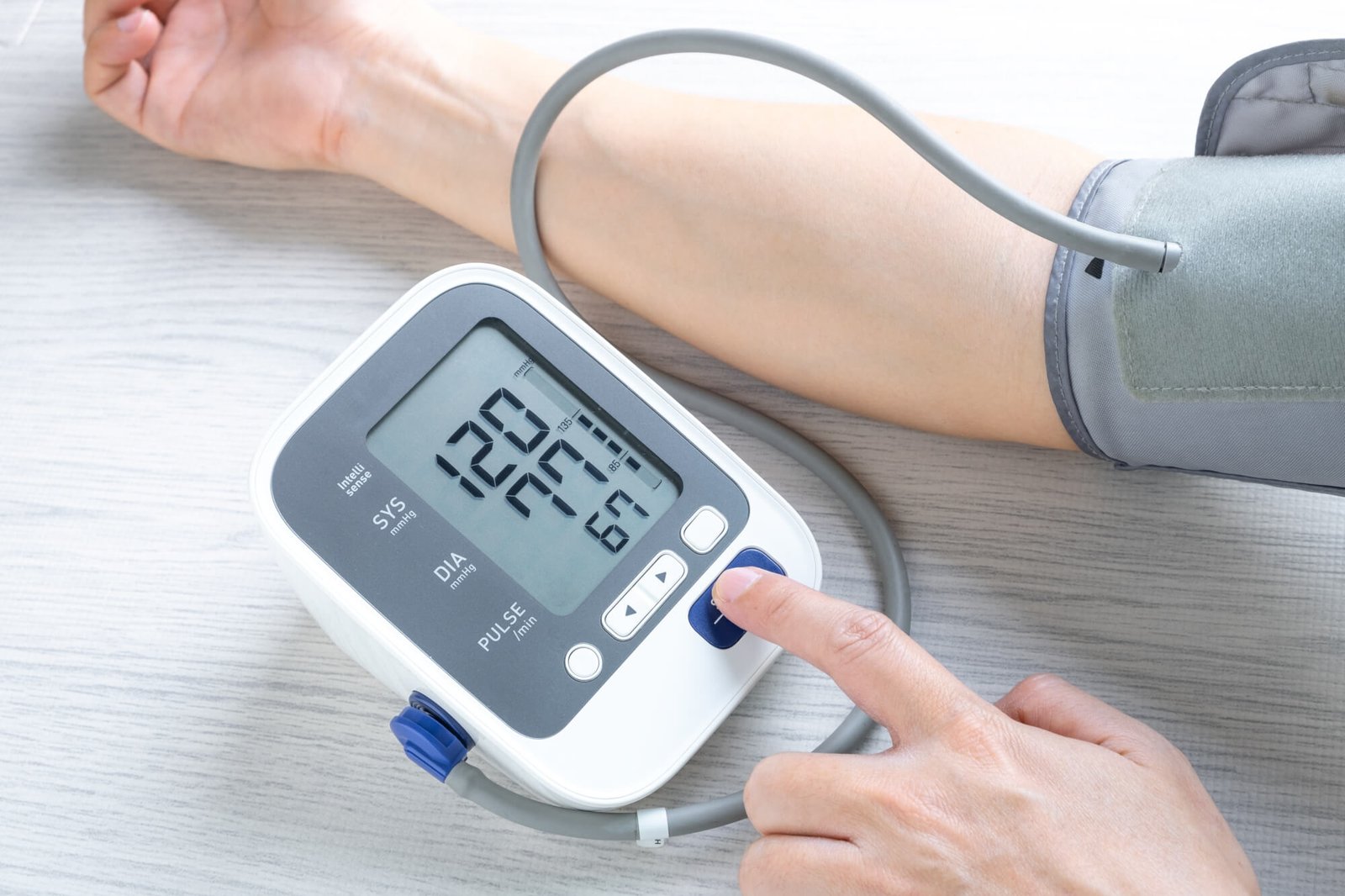
Ambulatory blood pressure monitoring, or ABPM, uses an upper-arm cuff connected to a portable recorder to take repeated readings over a period, commonly 24 hours. It can help a clinician understand whether a raised clinic reading reflects your usual blood pressure.
Why might I need more than one blood pressure reading?
Blood pressure varies. A clinic reading gives useful information, but a series of readings can show a different pattern. Some people have higher readings in a medical setting than during daily life. That is one reason a clinician may recommend monitoring before making a diagnosis.
NICE recommends ABPM to help confirm hypertension when clinic blood pressure is raised within the relevant range. If ABPM is unsuitable or not tolerated, home monitoring may be an alternative. Very high readings require their own assessment pathway. See NICE guidance on diagnosing hypertension.
What is it like to wear the monitor?
A cuff is fitted around your upper arm and connected to a recorder worn on a belt or in a pouch. It inflates automatically at intervals. The Bristol Heart Institute describes the purpose of ambulatory monitoring.
The cuff can feel tight during a reading. Ask the fitting team what to do if it becomes painful, repeatedly fails or disturbs your sleep. Follow their activity and device-care instructions. The BHF advises keeping the monitor dry and avoiding bathing, showering and swimming while wearing it.
How should I prepare for fitting and return?
Choose an appointment time that allows you to return the device as arranged. Explain any work, travel, sleep or accessibility needs before fitting. The team can then tell you whether the planned monitoring period is practical.
- Bring an up-to-date list of medicines.
- Wear clothing that allows access to your upper arm.
- Ask how to position the cuff and recorder during sleep.
- Check whether you need to keep an activity, symptom or medication diary.
- Confirm the return time and how the report will reach you.
Do not change prescribed treatment just to alter the readings. Follow the specific instructions from your clinician. Gloucestershire Hospitals’ patient information explains preparation and recording medicines or symptoms during monitoring.
How are the readings reviewed?
A clinician considers the usable readings and the pattern across the recording, rather than relying on one isolated high number. They may need to repeat the monitoring if too few readings are usable. The report is interpreted with your history and any other relevant assessment.
Ask for a clear explanation of the outcome: has the assessment answered the original question, is anything else needed and who is arranging it? Your plan may involve a GP review, further checks or support with risk factors. Keep the result with your other health records.
Common questions
Is ABPM the same as a heart-rhythm monitor?
No. ABPM measures blood pressure. An ambulatory ECG or rhythm monitor records electrical activity; the devices are not interchangeable.
Will I need ABPM after every heart health check?
No. It is recommended when clinically appropriate, not automatically as an extra test.
Can I use my own home monitor instead?
Ask your clinician. A structured home-monitoring plan may be suitable, but the device, technique and recording schedule matter.
What if I feel unwell while waiting for the report?
Do not wait for routine results if you develop concerning symptoms. Call 999 for suspected heart attack symptoms; seek prompt medical advice for other new concerns.
Puri Pharmacy can discuss the appropriate route for assessment. Read about NHS blood pressure checks and eligibility. ABPM is not included automatically in a private Heart Health Review; any additional arrangements are discussed first.