Microsuction Ear Wax Removal

Get our latest weight-loss and health guides straight to your inbox.
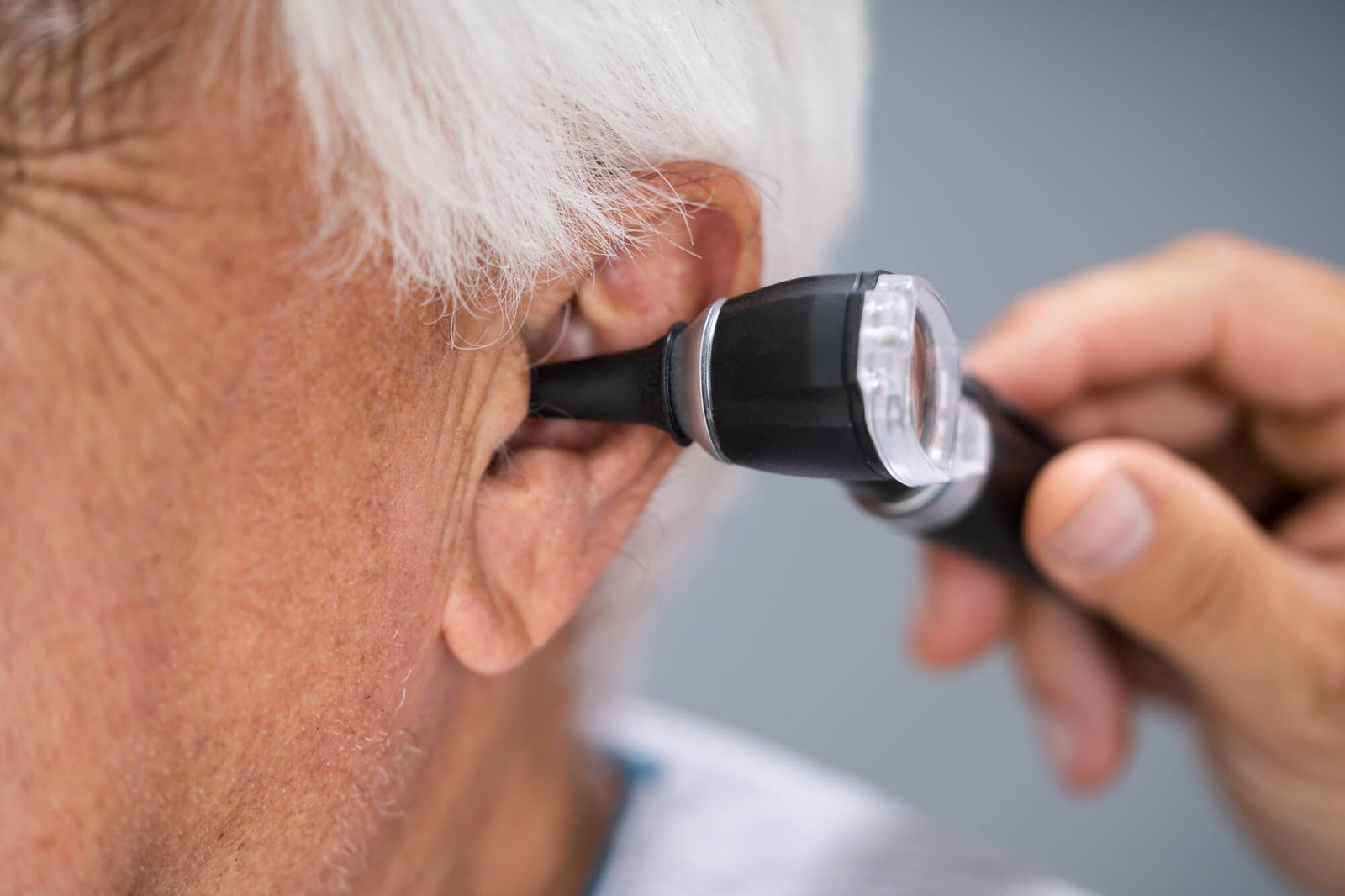
Microsuction is one option for removing earwax when examination shows that removal is appropriate. A blocked sensation or hearing change should be assessed; it is not proof that wax is the cause.

What happens at a routine appointment?
Describe the symptoms and their timing before the ear is examined. The clinician should explain the findings, proposed method and relevant risks. Ask for clarification before agreeing to proceed. A useful appointment may lead to advice or referral rather than removal.
Self-care needs the right context
Do not put objects into the ear canal. Ask whether softening drops are appropriate; do not use them with a perforated eardrum. Follow the NHS earwax guidance and the product instructions.

What removal can and cannot promise
Microsuction uses a small suction probe under direct vision. It can help remove obstructing wax, but discomfort, dizziness, canal irritation or hearing-related problems can occur. See UCLH’s explanation of benefits and risks.
Tell the clinician if you feel discomfort and ask to pause when needed. If hearing or other symptoms do not improve, ask what should be assessed next. Do not assume another removal appointment is always the answer.

For more context, read earwax and tinnitus.