

Get our latest weight-loss and health guides straight to your inbox.

Mounjaro and Feeling Cold: Why It Happens and What You Can Do
Feeling unusually cold while taking Mounjaro (tirzepatide)? You’re not the only person to notice it.
Feeling cold is not currently listed as an established side effect of Mounjaro, but some people notice increased sensitivity to cold while losing weight or eating significantly less.
There may be a straightforward explanation, but persistent coldness can also signal that your nutrition, weight-loss rate, or general health needs review.
This guide explains what could be happening, what you can do and when it is worth speaking to a healthcare professional.
Contact your current prescriber first about ongoing symptoms.
Already receiving weight-management treatment?
You don’t have to manage side effects and concerns on your own.
If you’re currently receiving weight-management treatment and are struggling with side effects, appetite, nutrition, your progress or uncertainty about your treatment plan, our pharmacist-led clinical team can review your situation.
You can speak to us even if your current treatment was started with another provider.
Why Might You Feel Cold While Taking Mounjaro?
Mounjaro contains tirzepatide, a medicine that acts on GIP and GLP-1 receptors. It can reduce appetite and food intake and is used for type 2 diabetes and, in appropriate patients, weight management.
Feeling cold itself is not currently listed as an established adverse reaction in the UK product information.
However, several reasons could explain why someone losing weight while receiving treatment might start feeling colder than usual.
1. You’ve Lost Body Fat
Body fat provides insulation.
If you’ve lost a significant amount of weight, particularly over a relatively short period, you may simply notice changes in how your body responds to cooler temperatures.
This can be particularly noticeable in your:
-
- hands
-
- feet
-
- face
-
- bedroom at night
-
- workplace if it is air-conditioned
The medication doesn’t necessarily need to be directly causing the cold sensation for it to be related to your weight-loss journey.
2. You May Be Eating Much Less Than Before
Reduced appetite can be useful during medically supported weight management.
But less appetite should not mean inadequate nutrition.
If treatment has reduced your appetite substantially, you may unintentionally be:
-
- missing meals
-
- eating very small portions
-
- consuming insufficient protein
-
- consuming very few carbohydrates
-
- drinking less
-
- struggling to meet your overall nutritional requirements
A sustained reduction in energy intake can contribute to feeling cold, tired or lacking in energy.
If you regularly have to remind yourself to eat, discuss that during your clinical review.
3. You’ve Lost Muscle as Well as Fat
Weight loss does not consist entirely of body fat.
Some loss of lean mass can occur during weight reduction, particularly if protein intake and resistance exercise are inadequate.
Muscle contributes to your body’s energy expenditure and heat production.
This is one reason why a good weight-management programme should focus on body composition and health, rather than simply making the number on the scales fall as quickly as possible.
Try to prioritise:
-
- adequate protein
-
- regular meals
-
- strength or resistance exercise where appropriate
-
- maintaining physical activity
-
- sustainable rather than extreme calorie restriction
4. You Could Be Dehydrated
Mounjaro can cause gastrointestinal effects including nausea, vomiting and diarrhoea.
These can sometimes contribute to dehydration.
You may also find that when your appetite falls, your normal drinking habits change at the same time.
Look out for symptoms such as:
-
- thirst
-
- dry mouth
-
- darker urine
-
- urinating less frequently
-
- dizziness
-
- headache
-
- unusual tiredness
If you have ongoing vomiting or diarrhoea, are struggling to keep fluids down or think you may be dehydrated, seek appropriate medical advice.
5. There May Be Another Explanation
Do not automatically assume every new symptom is caused by Mounjaro.
Persistent sensitivity to cold can occur for reasons unrelated to weight-management medication.
Depending on your symptoms and medical history, a healthcare professional may consider whether further investigation is appropriate.
Possible causes can include conditions such as:
-
- iron deficiency or anaemia
-
- an underactive thyroid
-
- vitamin deficiencies
-
- inadequate nutrition
This is particularly relevant if feeling cold is accompanied by symptoms such as fatigue, weakness, breathlessness, palpitations, hair changes or generally feeling unwell.
Is Feeling Cold on Mounjaro Dangerous?
Feeling colder than you used to does not automatically mean something is wrong.
If you’ve lost substantial weight or changed your diet dramatically, there may be a relatively simple explanation.
However, you should not ignore persistent or severe symptoms.
Speak to a healthcare professional if feeling cold is accompanied by:
-
- significant or worsening fatigue
-
- persistent dizziness or light-headedness
-
- fainting
-
- shortness of breath
-
- palpitations
-
- unusual weakness
-
- pale skin
-
- persistent vomiting or diarrhoea
-
- difficulty eating enough
-
- symptoms suggesting dehydration
-
- substantial unintended or unexpectedly rapid weight loss
-
- feeling generally unwell
If symptoms are severe or you are acutely unwell, seek urgent medical assistance rather than waiting for a routine review.
Could Feeling Cold Mean I’m Not Eating Enough?
Possibly.
One of the most important questions we ask during weight-management reviews is not simply:
“How much weight have you lost?”
It is:
“How are you achieving that weight loss?”
There is a significant difference between controlled appetite and being unable to meet your nutritional needs.
Warning signs that your intake may need reviewing include:
-
- routinely skipping meals because you have no appetite
-
- struggling to consume adequate protein
-
- feeling weak or exhausted
-
- dizziness when standing
-
- very low energy
-
- constipation alongside very low food or fluid intake
-
- poor exercise tolerance
-
- significant loss of strength
-
- feeling persistently cold
The objective of medically supported weight management should be sustainable improvement in health — not eating as little as physically possible
What Should I Eat If I’m Feeling Cold?
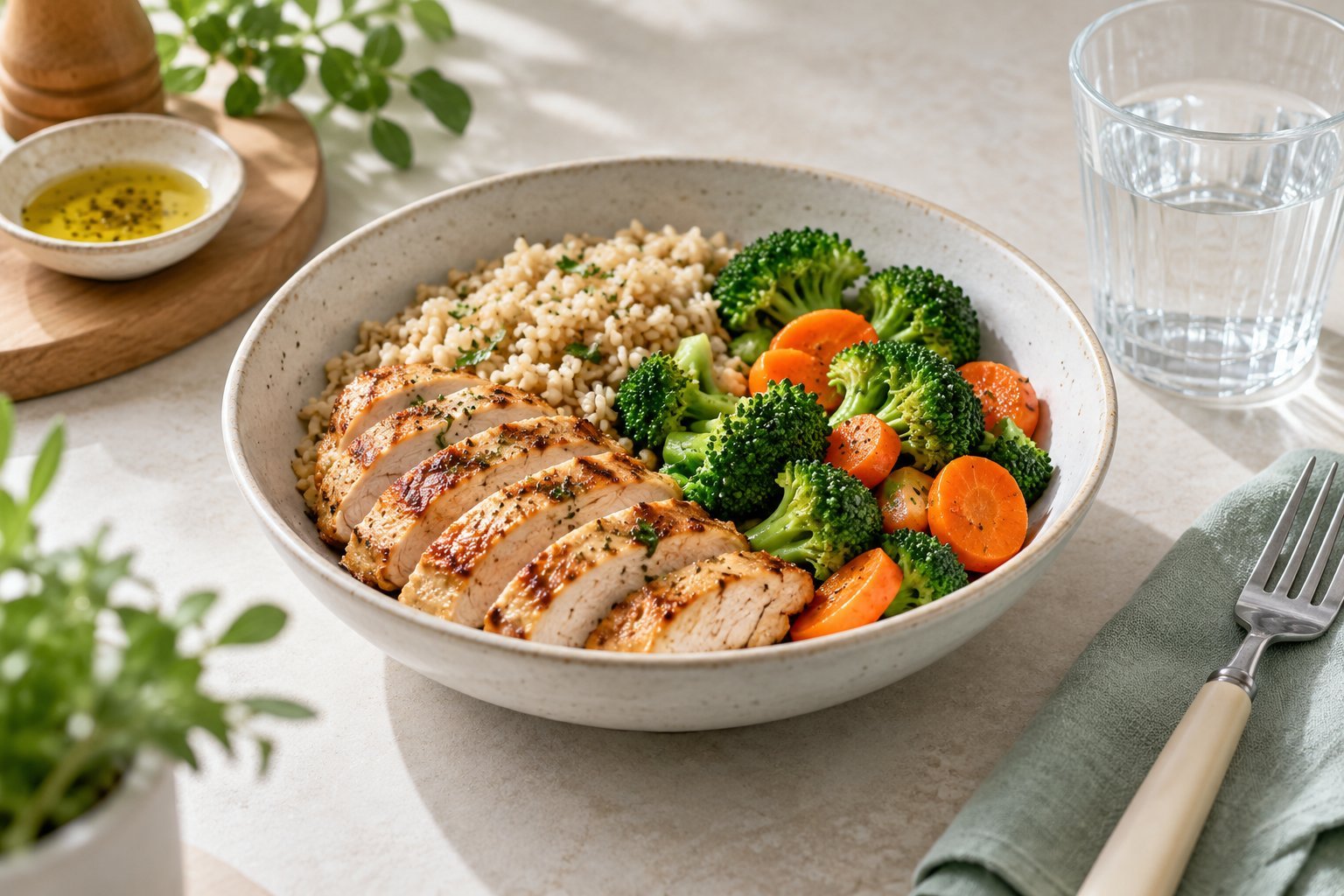
You do not need to force yourself to eat large meals.
If your appetite is lower, smaller nutritionally useful meals may be easier.
Try to make sure your diet contains a combination of:
Protein
Examples include:
-
- eggs
-
- chicken
-
- fish
-
- Greek yoghurt
-
- cottage cheese
-
- tofu
-
- beans and pulses
Protein is particularly important during weight reduction to support the maintenance of lean tissue.
Complex Carbohydrates
Examples include:
-
- oats
-
- potatoes
-
- wholegrain rice
-
- wholegrain bread
-
- beans
-
- lentils
If you have dramatically reduced carbohydrate intake alongside your overall food intake, reviewing your diet may help.
Healthy Fats
Examples include:
-
- nuts
-
- seeds
-
- avocado
-
- olive oil
-
- oily fish
Because your portions may be smaller than before, the nutritional quality of what you eat becomes increasingly important.
Stay Hydrated
Continue drinking regularly even if your appetite is low.
Rather than relying on a fixed amount that is appropriate for everyone, use practical indicators such as thirst and urine colour while taking account of any medical advice you have previously been given about fluid intake.
If you’re losing significant fluid because of vomiting or diarrhoea, speak to a healthcare professional.
Don’t Ignore Protein and Strength
The scales do not tell the whole story.
Someone can lose a substantial amount of weight while also losing more lean tissue than desirable.
Where clinically appropriate, incorporating resistance exercise into your routine can help maintain muscle function during weight reduction.
That may include:
-
- resistance bands
-
- bodyweight exercises
-
- gym-based strength training
-
- progressively loaded exercises
The appropriate approach depends on your age, health and current fitness level.
Should I Have a Blood Test If I Keep Feeling Cold?
Not everybody who feels cold needs blood tests.
However, persistent cold sensitivity accompanied by other symptoms may warrant further assessment.
Depending on your history and symptoms, a clinician may consider investigations relating to areas such as:
-
- full blood count
-
- iron status and ferritin
-
- thyroid function
-
- vitamin B12
-
- folate
-
- other markers where clinically appropriate
The right tests depend on the individual, rather than using the same panel for everyone.
Feeling Cold, Tired or Generally Not Yourself?
Don’t guess what’s happening internally.
Puri Pharmacy provides access to private health assessments and blood testing where clinically appropriate.
Our team can help identify which investigations may be relevant rather than simply ordering unnecessary tests.
Should I Change My Mounjaro Dose Because I Feel Cold?
Do not change your prescribed treatment simply because you’ve started feeling cold without discussing it with the healthcare professional responsible for your care.
Cold sensitivity alone does not tell us whether your dose is appropriate.
A proper review should consider factors including:
-
- how long you have been receiving treatment
-
- your current dose
-
- when your symptoms began
-
- your appetite
-
- your nutritional intake
-
- gastrointestinal side effects
-
- hydration
-
- how quickly your weight is changing
-
- your current weight and BMI
-
- other medicines
-
- relevant medical conditions
-
- whether there may be another explanation for the symptoms
Sometimes the appropriate decision is to continue the existing plan.
Sometimes a clinician may decide that progression should be delayed or that another change is appropriate.
The decision should be based on your overall clinical picture rather than a single symptom.
Do Not Automatically Increase Your Dose
More medication is not automatically better.
The objective is not to reach the highest dose as quickly as possible.
If your current treatment is producing appropriate progress but appetite suppression or adverse effects are already significant, this should be considered before any further dose escalation.
Your prescribing clinician should determine the appropriate treatment plan for you.
Could Feeling Cold Mean I’m Losing Weight Too Quickly?
It can be one clue that your overall progress deserves reviewing, particularly if it occurs alongside:
-
- extreme appetite suppression
-
- weakness
-
- dizziness
-
- fatigue
-
- difficulty eating enough
-
- reduced exercise performance
-
- noticeable strength loss
-
- feeling generally unwell
But feeling cold on its own cannot tell us whether weight loss is occurring too quickly.
Weight management should not become a competition to lose the greatest amount of weight in the shortest time.
The aim is meaningful, sustainable health improvement while maintaining adequate nutrition and minimising avoidable loss of lean mass.
What If I’m Losing Weight but Don’t Feel Well?
That matters.
The number on the scales is only one outcome.
We also care about:
-
- nutrition
-
- energy
-
- hydration
-
- strength
-
- side effects
-
- sleep
-
- bowel health
-
- emotional wellbeing
-
- metabolic health
-
- whether the treatment remains appropriate
You should not regard persistent symptoms as the price you simply have to pay to continue losing weight.
They deserve assessment.
Your Weight-Loss Provider Should Do More Than Issue a Prescription
Weight management is longitudinal healthcare.
At Puri Pharmacy, our pharmacist-led weight-management service is designed around ongoing clinical oversight rather than prescription supply alone.
Depending on your individual programme, support can include:
-
- pharmacist-led clinical review
-
- progress monitoring
-
- side-effect review
-
- nutrition and lifestyle support
-
- ongoing digital check-ins
-
- treatment review
-
- access to further health assessments where clinically appropriate
Already receiving treatment somewhere else?
You can still speak to us.
If you feel unsupported by your current provider or would prefer a more clinically supported approach, we can discuss whether transferring your ongoing weight-management care to Puri Pharmacy may be appropriate.
Ask Rahul

Questions for Rahul Puri, Pharmacist Prescriber
Practical questions to help you prepare for a conversation about feeling cold during weight-management treatment.
Does feeling cold mean my treatment is working?
Feeling cold is not a measure of treatment success. Your weight trend, nutritional intake, energy and overall health matter more. Persistent coldness deserves a discussion with your prescriber rather than being dismissed as part of losing weight.
Should I change my dose or buy supplements?
Do not change your dose without your prescriber’s advice. Feeling cold alone does not establish a vitamin deficiency or tell you which supplement you need. A review of your symptoms, food intake and medicines can help decide whether further assessment is appropriate.
What should I bring to a review?
Have your medicine name and dose, recent dose changes, weight trend, a typical day’s food and drink, and a note of when the cold feeling started. Mention other symptoms and all other medicines you take.
Can I speak to Puri Pharmacy if another provider prescribes my treatment?
Yes. You can enquire about our ongoing weight-management service and whether an assessment for transferring your care would be appropriate. Your current prescriber remains your first contact for symptoms and treatment changes until any transfer has been agreed.
General information, not an individual treatment recommendation. Read the Mounjaro patient information leaflet for medicine-specific advice.
 Secure Checkout
 Fast Shipping
 Easy Returns