Understanding High Blood Pressure


Get practical health advice and updates on Puri Pharmacy services straight to your inbox.
A high blood-pressure reading needs an appropriate follow-up plan. One measurement is useful information, but the setting, repeat readings, symptoms and your medical history determine what should happen next. You cannot reliably tell whether your pressure is high by how you feel.
What do the two numbers mean?
The upper, systolic number records pressure when the heart contracts; the lower, diastolic number records pressure between beats. Both numbers belong in your record. Writing down only the first number loses information needed for interpretation. Keep the units, date and where the measurement was taken alongside the result.
The NHS blood-pressure test guide describes the usual high-pressure thresholds as 140/90 mmHg in a healthcare setting or 135/85 mmHg at home. These are general diagnostic guides, not a personalised target or a reason to change your tablets yourself.
Why can a clinician ask for more readings?
A result has to be interpreted in context. A clinician may recommend repeat measurements, a home record or ambulatory monitoring before deciding what it means. Ask which approach is being recommended and why. Do not assume that another measurement means the first was meaningless; its purpose may be to establish whether a pattern persists.
Follow the requested schedule rather than measuring repeatedly until a reassuring number appears. Keep all the requested results, including ones you dislike. If you missed a measurement, say so. A clear, accurate record is more useful than a perfectly filled diary assembled from memory.
If an ambulatory monitor is proposed, ask how to wear it, what to do during daily activities and when to return it. Also confirm who will receive the report and discuss it with you. Wearing a monitor and having its findings reviewed are separate stages; the pathway needs both.
How to prepare for home measurements
Use the equipment and technique recommended by your healthcare professional. The NHS measurement guidance describes sitting with support, resting the arm, placing the cuff on bare skin and remaining relaxed and quiet. Ask someone to demonstrate if you are unsure about positioning or cuff fit.
Record the conditions alongside the number: where you were, whether you had rested and any symptoms. If a reading seems unexpected, follow the instructions you have been given about repeating it and seeking advice. Do not dismiss a concerning result solely because you think the machine may be wrong.
Bring the monitor or its details to a review if measurements are difficult to obtain or you have concerns about technique. A display showing a number does not automatically establish that it was measured in the intended way. Ask how often to check and when the record should be reviewed; a monitoring routine should have a clinical purpose.
Diagnosis, risk and treatment targets answer different questions
A diagnostic threshold helps determine whether high blood pressure is present. A treatment target guides care once your circumstances have been considered. Neither should be chosen from age alone or copied from another person’s plan. Ask what target applies to you and how your clinician will judge progress.
Blood pressure is also one part of a wider health review. Medicines, other conditions, previous results and symptoms may affect decisions. If a clinician recommends additional tests, ask which question each test addresses. More testing is not automatically better; the useful test is one whose result can change an appropriate care decision.
A single improved result does not mean prescribed treatment is no longer needed. Likewise, a higher result is not permission to take an extra tablet. Follow your prescription and contact the responsible clinician when results or symptoms cause concern.
What information should you bring to a review?
- Your readings, with dates, times and the measurement setting.
- Your current medicines, including non-prescription products and supplements.
- Any missed doses, difficulties taking treatment or suspected adverse effects.
- Symptoms, their timing and how they affect daily life.
- Previous monitoring reports and the instructions you have already received.
Explain what you actually manage, not what you think the clinician expects. If work patterns, remembering tablets or side effects make the plan difficult, say so. Those details help identify a workable next step. A review cannot address a practical barrier that has not been discussed.
Lifestyle changes should fit the clinical plan
Healthy eating, activity and other changes can support blood-pressure management. Some people also need medication. The NHS high-blood-pressure guide explains the wider approach. Lifestyle advice should not be presented as a promise that everybody can stop treatment.
Choose a specific change you can sustain and discuss barriers at follow-up. For practical examples, read our blood-pressure lifestyle guide. If another condition limits activity or affects what you can eat, ask for advice suited to that condition. A generic checklist should support an individual plan rather than override it.
When should you seek urgent help?
Do not use a routine pharmacy appointment or an online reading chart to diagnose new symptoms. The NHS reading tool has exclusions, including pregnancy, some medical conditions, medicines affecting blood pressure and people who feel unwell with new symptoms. Read its eligibility information before using it.
Call 999 for suspected heart-attack or stroke symptoms. Persistent chest pain, particularly with breathlessness or sweating, should not wait for a home blood-pressure check. If you need urgent medical advice and are unsure where to go, contact NHS 111. Follow any specific urgent instructions already given by your treating team.
What should a pharmacy check achieve?
A useful appointment provides a measurement and explains the next step. Ask whether the reading needs repeating, whether further monitoring is recommended and who will review the findings. Confirm whether an NHS check is appropriate for you or a private service applies before attending.
A pharmacy check does not automatically include diagnosis, adjustment of all existing medicines or every test that might be needed. Ask what the appointment covers. If you already have a GP monitoring plan, share it so that the new result can be interpreted alongside existing care rather than starting an unrelated pathway.

Frequently asked questions
Can I have high blood pressure without symptoms?
Yes. Feeling well does not rule it out. A measurement and the appropriate follow-up are needed.
Does one high reading mean I have hypertension?
Not necessarily. Follow the advice about confirmation and urgency. Symptoms and very concerning results should not be ignored while collecting a routine diary.
Should I stop tablets if a reading becomes normal?
No. Do not stop or adjust prescribed treatment without advice. An improved result may reflect the effect of treatment.
Can I compare a home result directly with a clinic target?
Ask which threshold and individual target apply to the measurement setting. Keep the setting with the result rather than comparing isolated numbers.
What if I do not hear back about monitoring?
Contact the service responsible for reviewing the report. Before monitoring starts, agree who that is and when a response is expected.
Key takeaways
Know what was measured, keep the record and leave with a follow-up plan. A number is useful when it leads to a clear decision about confirmation, review or urgent care.
Get practical health advice and updates on Puri Pharmacy services straight to your inbox.
Blood-pressure checks in Southall and Hillingdon
Contact Puri Pharmacy in Southall or Hillingdon about an in-person blood-pressure check and any appropriate further monitoring. NHS eligibility applies; ask the team about availability before making a special journey.
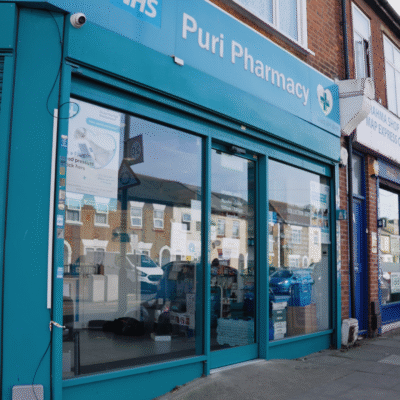
Puri Pharmacy Southall
39 Western Road, Southall, UB2 5HE
Call SouthallSouthall clinic details and directions
020 8574 6848
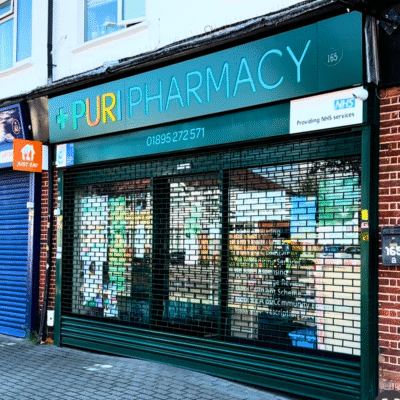
Puri Pharmacy Hillingdon
165 Ryefield Avenue, Hillingdon, UB10 9DA
Call HillingdonHillingdon clinic details and directions
01895 272571
Home blood-pressure readings can inform a clinical discussion, but they do not establish that every pharmacy appointment can be completed remotely.
Check NHS blood-pressure service eligibility and branch access.