Bindex vs DXA (DEXA): Which Bone Health Test Do You Need?

Get our latest weight-loss and health guides straight to your inbox.
Bindex and DXA can both assess bone health, but they are not the same test.
Understanding this difference matters if you are considering a private bone health assessment or have been advised to assess your risk of osteoporosis.
If you have already been referred for DXA, keep that referral: a Bindex screening result does not replace a clinically required DXA scan.
Bindex uses ultrasound to help assess osteoporosis risk. DXA uses low-dose X-rays to measure bone mineral density.
What is a DXA or DEXA scan?
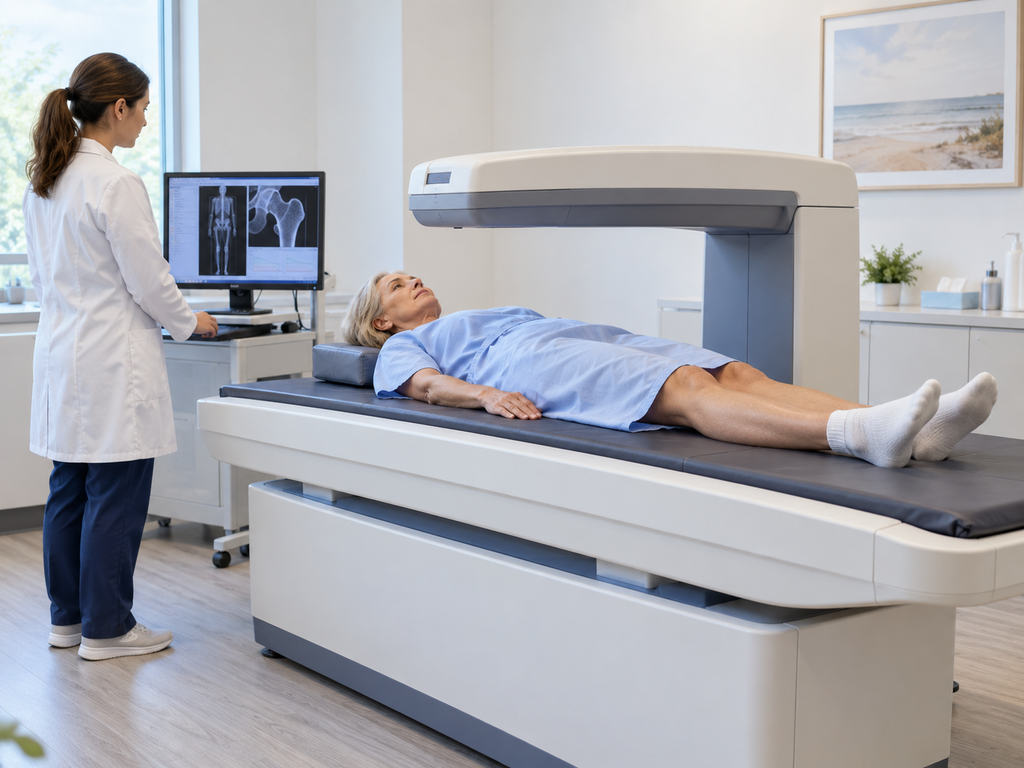
DXA stands for dual-energy X-ray absorptiometry. You may also see it written as DEXA.
It is the established method for measuring bone mineral density.
The scan generally assesses areas such as the hip and spine and uses a very small amount of ionising radiation.
A DXA result can contribute to diagnosis, fracture-risk assessment, treatment decisions and monitoring. The NHS guide to DXA scanning explains how bone density and other risk factors are considered together.
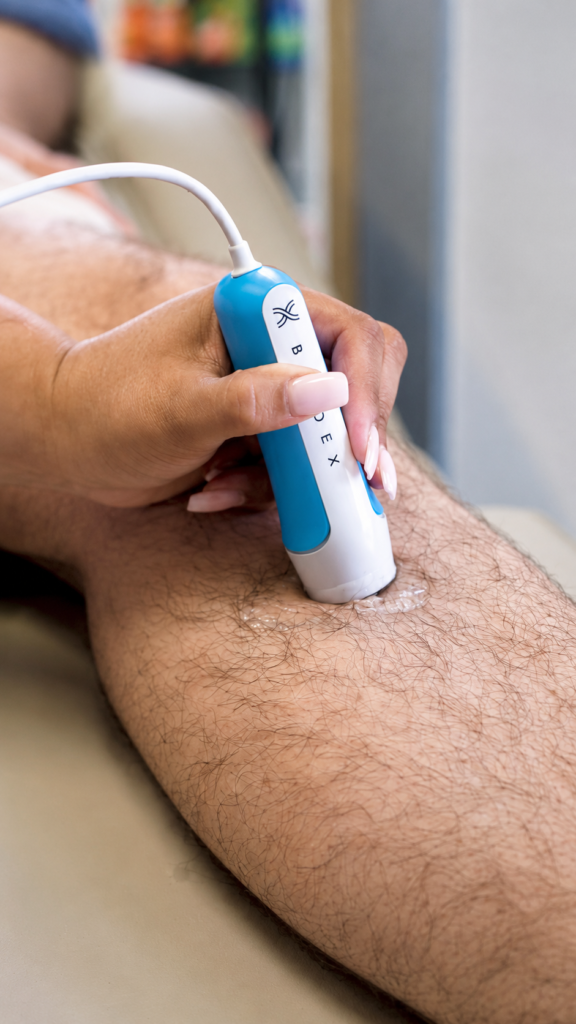
What is Bindex?
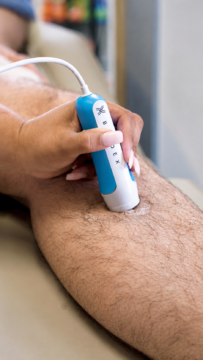
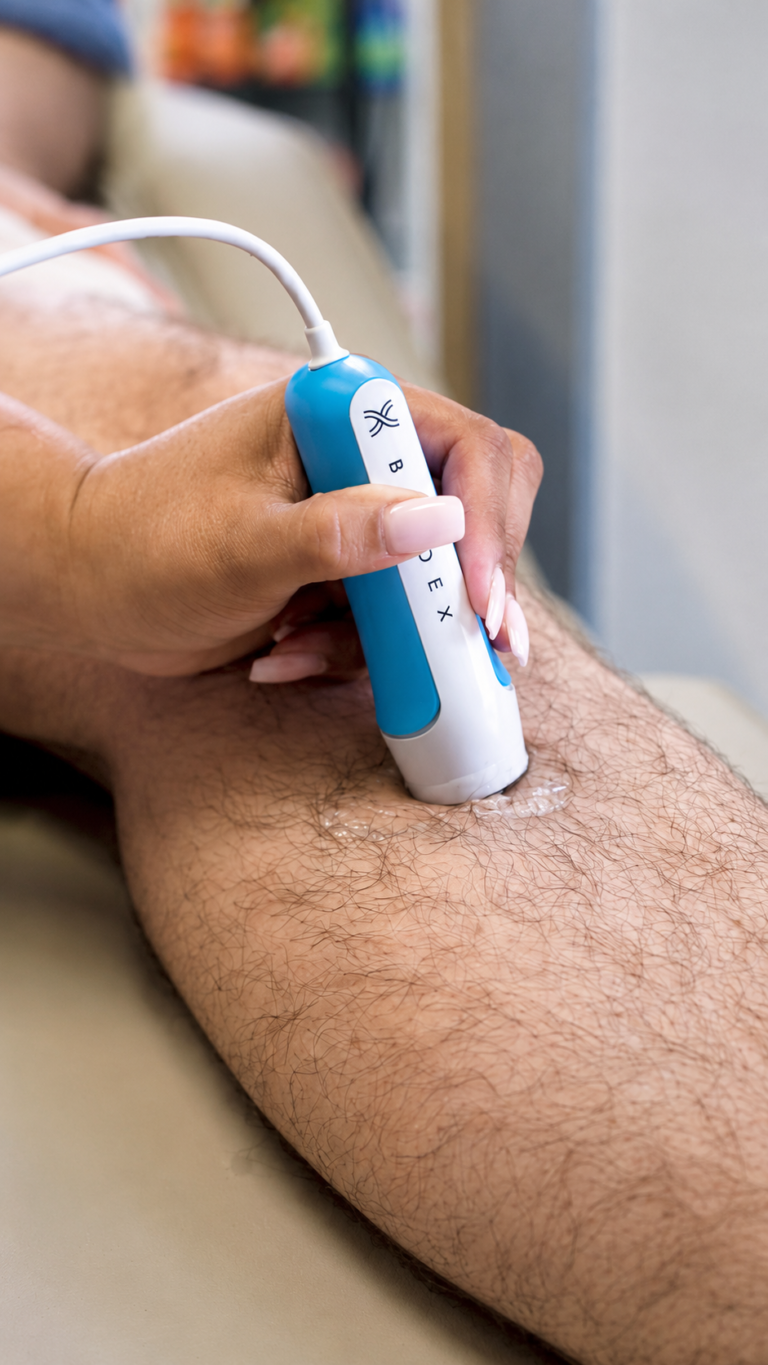
Bindex is an ultrasound device.
Instead of measuring the hip and spine, it measures cortical bone thickness at the tibia in the lower leg.
Its software combines the measurement with age, height and weight to calculate a Density Index: an estimate related to hip bone mineral density, rather than a direct hip or spine measurement. See the manufacturer’s explanation of Bindex. The result needs interpretation alongside your medical history.
Bindex vs DXA at a glance
| Feature | Bindex screening | DXA / DEXA scan |
|---|---|---|
| Technology | Pulse-echo ultrasound | Low-dose X-ray |
| Measurement Site | Tibia | Usually hip and spine |
| Radiation | No ionising radiation | Very low-dose ionising radiation |
| Main output | Density Index to help assess osteoporosis probability | Bone mineral density / T-score |
| Role | Risk assessment and triage | Formal BMD assessment, diagnosis and monitoring |
| Can further investigation still be needed? | Yes | Depends on clinical findings |
Does that mean Bindex replaces DXA?
No.
In some circumstances, a DXA scan remains clinically appropriate.
The Royal Osteoporosis Society explains that bone density is only one part of fracture risk. Your age, fracture history and other health factors also matter when deciding whether a scan or treatment is appropriate.
A community Bindex assessment can provide useful additional information, but it should not create a barrier to formal investigation when formal investigation is needed.
Why might someone start with a Bindex assessment?
Some people are not currently in a diagnostic pathway but want to better understand their bone health.
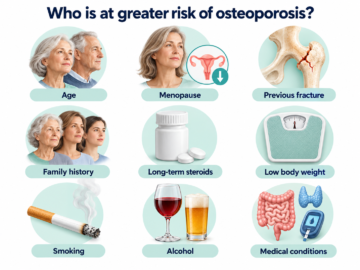
They may have reached menopause, have a family history of osteoporosis, have used medicines that can affect bone strength or simply want a more informed understanding of their risk.
Ask a healthcare professional which assessment is suitable for your circumstances. A Bindex assessment is non-invasive and uses ultrasound, but convenience should not determine whether you need diagnostic investigation.
At Puri Pharmacy, we also discuss the results with you rather than simply handing them over without explanation.
Is DXA radiation dangerous?
DXA uses radiation, but the dose is very low.
The Royal Osteoporosis Society notes that the radiation dose used during a bone-density scan is small.
Therefore, the fact that Bindex is radiation-free should not be interpreted as meaning that a medically appropriate DXA is unsafe.
The technologies simply work differently.
Which test should I choose?
That depends on why you are being tested.
If a doctor has referred you for DXA because it is needed for diagnosis, treatment decisions or monitoring, a private ultrasound assessment should not be used as a substitute.
If you are considering a first assessment, discuss your history and the reason for testing before choosing. For example, a person concerned about menopause-related bone health may have different next steps from someone who has broken a bone after a minor injury. A fracture following a minor injury warrants a clinical discussion; do not wait for a pharmacy screening appointment to seek advice. Our Bindex assessment guide explains the appointment in more detail.
At Puri Pharmacy, our £89 Bone Health & Osteoporosis Risk Assessment includes a Bindex ultrasound, a review of relevant risk factors, an explanation of your result and a discussion about next steps.
Appointments are available in Hillingdon and Southall.
Questions to ask before choosing a bone-health test
Before paying for an assessment, ask:
- What will this test measure, and why is it suitable for me?
- Who will explain the result alongside my medicines and fracture history?
- If further investigation is needed, what is the next step?
- Can I share the report with my GP or the clinician managing my bone health?
Bring details of previous fractures, current medicines and any existing scan reports. If you already have a DXA referral, tell the team before arranging another assessment. This helps avoid paying for a test that does not answer your clinical question.
Frequently asked questions
Are DXA and DEXA different scans?
No. Both spellings refer to dual-energy X-ray absorptiometry. The NHS uses both terms. Check whether an advertised scan is for clinical bone-density assessment or a different purpose, such as body composition.
Is a Bindex Density Index the same as a DXA T-score?
No. They come from different measurements. A Bindex Density Index estimates information related to hip bone density using tibial ultrasound. A DXA report provides measured bone mineral density and may include a T-score or Z-score. Ask the clinician to explain the report that applies to you; do not compare the numbers as though they were interchangeable.
Does a reassuring screening result mean I cannot break a bone?
No. No screening result guarantees that you will not have a fracture. Bone density is only one part of risk. Your healthcare professional should consider your history and any new concerns even if a previous screening result was reassuring.
Should I use Bindex to check whether osteoporosis treatment is working?
Discuss monitoring with the clinician prescribing your treatment. Do not substitute a pharmacy screening assessment for a planned DXA or other follow-up. Keep your existing care plan unless your treating clinician advises a change.