Menopause and Bone Health: When Should You Have an Assessment?


Get our latest weight-loss and health guides straight to your inbox.
Menopause is a good time to review your bone health, but it doesn’t automatically mean you have osteoporosis or need a scan. The right next step depends on your age, when menopause occurred, previous fractures, medicines and other risk factors.
If you have broken a bone after a minor injury, experienced early menopause or noticed unexplained back pain or height loss, discuss this with your GP or the clinician looking after you. A routine pharmacy screening appointment should not delay appropriate investigation.
For patients in Hillingdon and Southall, this guide explains what to raise in that conversation and where a Bindex bone-health assessment may fit.
Why does menopause affect bone health?
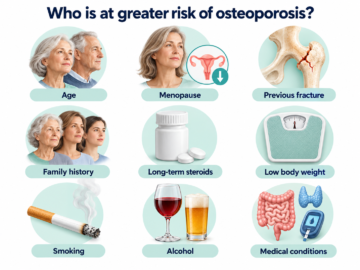
Oestrogen helps maintain bone strength. As levels fall around menopause, bone loss can accelerate. The Royal Osteoporosis Society explains this connection and why other risk factors still matter.
This change does not tell you how strong your own bones are. Two people of a similar age can have different fracture risks because their histories differ. Menopause symptoms also cannot tell you whether you have osteoporosis.
When should you discuss a bone-health assessment?
The NHS osteoporosis guide identifies low body weight, a parent’s hip fracture, certain medical conditions and some long-term medicines as relevant risk factors. Tell your clinician about these alongside your menopause history.
| Your circumstances | A useful next step |
|---|---|
| Menopause with no previous bone-health review | Ask about your overall fracture risk and whether any testing would change your care. |
| Periods stopped before 45, or menopause followed treatment | Speak to your GP or specialist about the cause, hormone health and bone-health plan. |
| A fracture after a minor fall or injury | Ask about formal fracture-risk assessment and whether further investigation is needed. |
| Long-term oral steroids or treatment affecting hormone levels | Ask the prescribing clinician about bone protection. Do not stop treatment yourself. |
| Existing DXA referral or osteoporosis treatment | Keep the planned investigation and review. Screening does not replace that care. |
The NHS defines early menopause as before 45 and premature menopause as before 40. If you think this may apply to you, seek a GP assessment rather than using a bone screening test to diagnose menopause.
Do you need a DXA scan after menopause?
Not everyone does. The Royal Osteoporosis Society’s DXA guide explains that bone density is one part of fracture risk. A clinician may consider a scan alongside your history, symptoms and the decisions it would help them make.
DXA, also written DEXA, uses low-dose X-rays to measure bone mineral density, usually at the hip and spine. It may contribute to diagnosis, treatment decisions and monitoring. This article does not provide a single scan schedule that applies to everyone.
If you already have a referral, keep it. The absence of pain or a reassuring screening result is not a reason to cancel a clinically required investigation.
Where does Bindex screening fit?
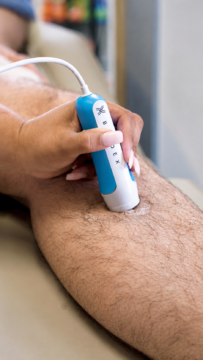
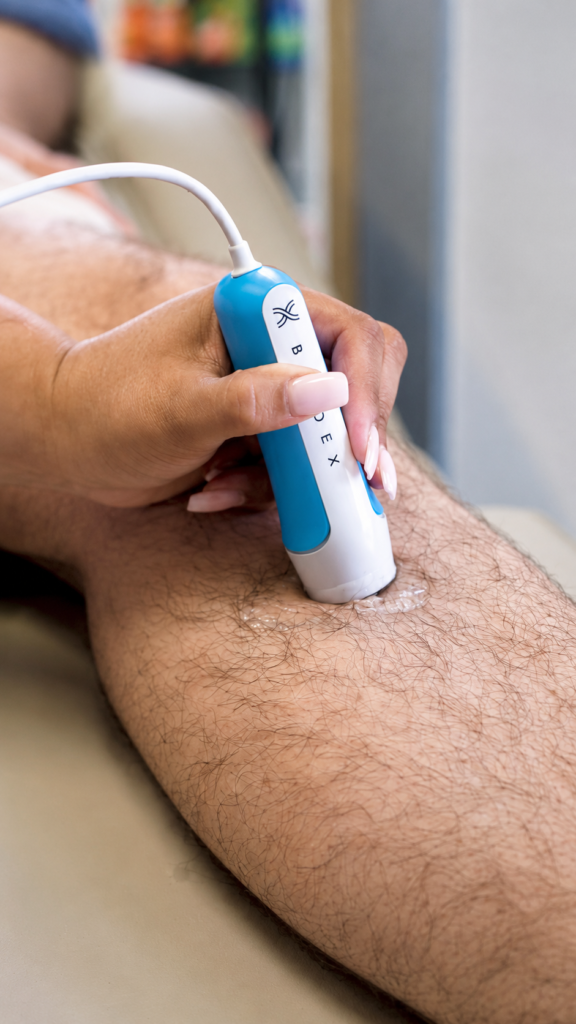
Bindex uses ultrasound at the shinbone and produces a Density Index that helps assess osteoporosis probability. It does not perform the same measurement as DXA.
A community assessment may help someone considering their bone health understand the result in context and discuss whether further investigation is appropriate. Suitability needs checking first. Our Bindex versus DXA comparison explains the different roles.
A screening result does not diagnose the cause of back pain, identify an acute fracture or guarantee that you will not break a bone. It should not replace specialist advice, a DXA referral or an existing osteoporosis care plan.
Does HRT mean you can ignore bone health?
No. The NHS explains that HRT can help prevent osteoporosis, but its benefits and risks depend on your circumstances and treatment. It does not remove the need to discuss previous fractures or other concerns.
If you take HRT, bring its details to your review. If you do not take it, that alone does not establish that you need screening. Discuss treatment choices with your GP or menopause clinician; do not start, stop or change treatment based on a screening result.
What can you do for your bones now?
The NHS bone-health advice supports regular weight-bearing and resistance exercise, a balanced diet with calcium and vitamin D, stopping smoking and limiting alcohol.
- Build activity around what is safe for you. Walking and appropriate resistance exercises can be practical starting points.
- Think about regular meals and adequate nutrition, especially if your appetite is low or your weight has fallen.
- Ask about calcium and vitamin D if you are unsure whether your intake is adequate; supplements do not replace assessment when it is needed.
- If you have osteoporosis, a previous fracture or persistent pain, ask for advice before starting a new exercise programme.
Make your review more useful
Write down when menopause began, any previous fractures and whether a parent broke a hip. Bring a medicines list and existing scan reports. Include HRT, supplements and treatments prescribed by other clinics.
A useful question is: “Given my history, would a scan change what we do next?” You can also ask who will explain the results and how any further investigation will be arranged.
Frequently asked questions
Can I have osteoporosis without bone pain?
Yes. Osteoporosis often has no obvious symptoms before a fracture. Feeling well does not remove the value of reviewing relevant risk factors.
Should I book a scan as soon as my periods stop?
Not automatically. Discuss your age, menopause history and other risk factors first. If your periods stop earlier than expected, a GP review is important.
Can a blood test tell me my bone density?
A routine blood test does not measure bone mineral density. A clinician may request blood tests to explore possible underlying causes, but these serve a different purpose than DXA or Bindex.
What if my mum broke her hip?
Tell your clinician. A parent’s hip fracture is relevant to your risk assessment, but it does not mean you will necessarily develop osteoporosis. Consider it alongside your own history.
Bone-health assessments at Puri Pharmacy
Puri Pharmacy offers an in-person Bone Health & Osteoporosis Risk Assessment in Hillingdon and Southall. It includes a review of relevant risk factors, a Bindex measurement and an explanation of the result and next steps.
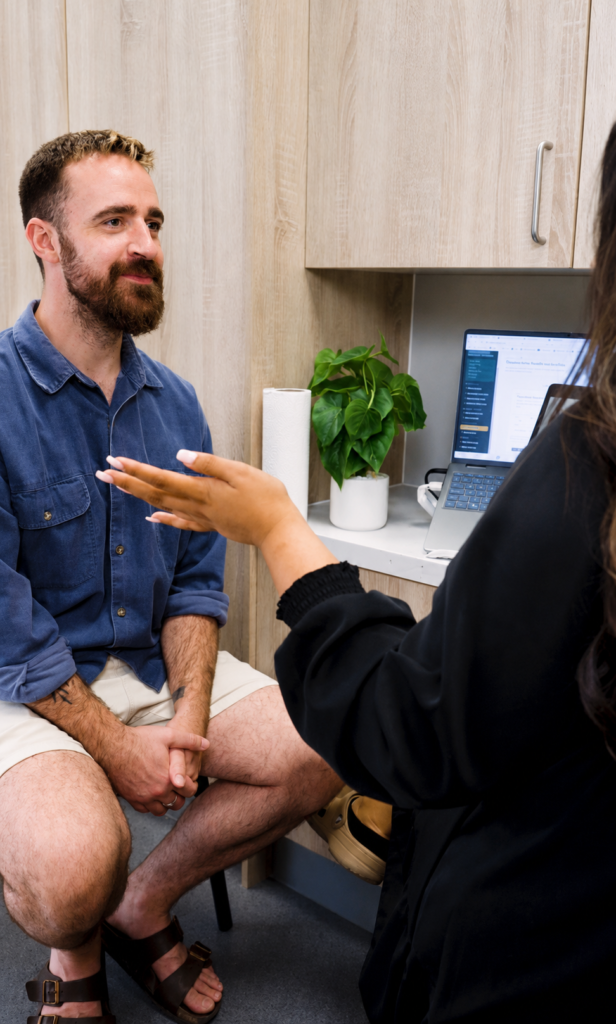
If you are considering an assessment, view the service and enquire about suitability. Let the team know about previous fractures, existing referrals and any ongoing care before booking.