Flu vaccines: benefits, effectiveness, and what to expect

TL;DR:
- Flu vaccines are essential tools that train your immune system to recognize and combat influenza viruses each year. They reduce the severity, hospitalizations, and deaths associated with flu, especially during the seasonal peaks. Getting vaccinated annually with the appropriate type protects both individuals and the community in urban environments like West London.
Every autumn, the same questions resurface across West London: “Do I actually need the flu jab this year?” “Didn’t I get it last year?” “Does it even work?” These are fair questions, and the honest answer is that flu vaccines are genuinely misunderstood, even by people who get them regularly. This article cuts through the noise, explaining exactly what a flu vaccine is, how it works in your body, which type suits you or your children, what the effectiveness data actually says, and what side effects to expect. By the end, you will have a clear picture to make a confident, informed decision.
Table of Contents
- What is a flu vaccine and how does it work?
- Types of flu vaccines and who they are for
- How effective are flu vaccines?
- Safety considerations and common concerns
- Our perspective: what most people miss about flu vaccines
- Need a flu vaccine or advice? Local options in West London
- Frequently asked questions
Key Takeaways
| Point | Details |
|---|---|
| Seasonal protection | The flu vaccine is updated yearly to match circulating viruses and helps protect you and your family from serious influenza illness. |
| Multiple vaccine types | Different types of flu vaccines are available and matched to your age, health status, and personal needs. |
| Effectiveness varies | Even in years of modest effectiveness, the flu vaccine reduces risks of severe illness, hospitalisation, and community spread. |
| Safety for most people | Flu vaccines are safe, including for those with egg allergy; always check with your healthcare provider for your specific situation. |
| Local support available | Accessible flu vaccination services are offered in West London pharmacies to support your health and convenience. |
What is a flu vaccine and how does it work?
Influenza is not the same as a common cold. It is a fast-spreading respiratory virus that can put even fit, healthy adults in bed for a week and cause serious complications in children, older people, and those with underlying health conditions. A flu vaccine trains your immune system to recognise the influenza viruses included for that season, giving your body a head start before actual infection occurs.
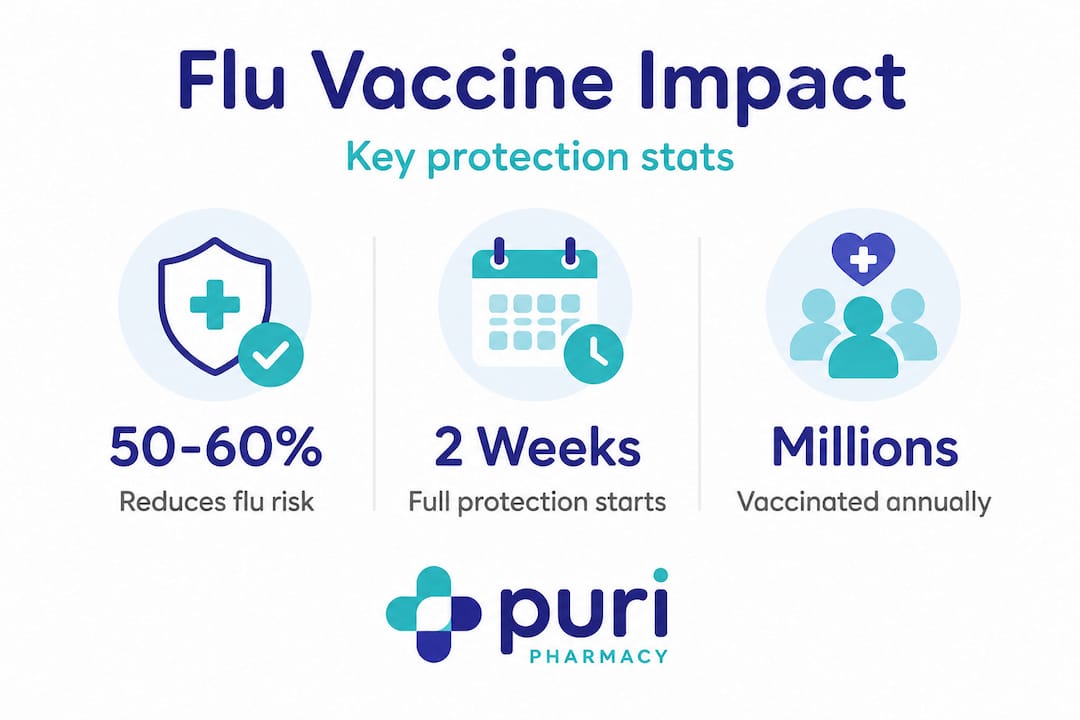
Here is the core mechanism. The vaccine introduces either inactivated (killed) virus particles, fragments of the virus, or a weakened live version into your body. Your immune system responds by producing antibodies, which are proteins that specifically target and neutralise that virus. This process takes roughly two weeks, which is why getting vaccinated in September or October, before the winter peak, is so strongly advised.
The reason you need a fresh jab each year is not a quirk of pharmaceutical marketing. Influenza viruses mutate continuously, a process called antigenic drift. Each spring, the World Health Organisation analyses global flu surveillance data to predict which strains are most likely to circulate the following winter. Vaccine manufacturers then produce updated formulations targeting those predicted strains. It is an imperfect but remarkably well-coordinated annual science project.
Key facts about how the vaccine works:
- Antibody protection develops fully within 14 days of vaccination
- Even if your body still catches flu, the vaccine usually reduces severity and the risk of hospitalisation
- Herd immunity effects mean vaccinated individuals help protect those who cannot receive the vaccine themselves
- Protection does gradually wane over a season, reinforcing the case for annual dosing
“Even if a vaccinated person still contracts influenza, the vaccine substantially reduces the risk of serious complications, intensive care admission, and death.”
You can explore local flu vaccination options at Puri Pharmacy in West London if you want to act before the autumn rush.
Types of flu vaccines and who they are for
With an understanding of what the vaccine does, the next step is to consider which type of flu vaccine might be right for you or your family. Flu vaccines come in multiple formulations including inactivated shots, recombinant vaccines, and live attenuated nasal sprays, with eligibility and contraindications depending on age and health status.
Here is a breakdown of the main types:
| Vaccine type | Delivery method | Suitable for | Key notes |
|---|---|---|---|
| Inactivated influenza vaccine (IIV) | Injection | Most adults and children from 6 months | Most widely available, safe in pregnancy |
| Recombinant influenza vaccine (RIV) | Injection | Adults, especially those with egg allergy | No egg proteins used in production |
| Live attenuated influenza vaccine (LAIV) | Nasal spray | Children aged 2 to 17 | NOT suitable for immunocompromised or pregnant people |
Inactivated vaccines are the standard jab offered at GP surgeries and pharmacies across the UK. They contain killed virus particles and cannot cause flu. They are safe for pregnant women, older adults, and most people with chronic health conditions.

Recombinant vaccines are produced without chicken eggs, using insect cell technology instead. This makes them a strong option for people who have had a severe egg allergy, although as we cover in the safety section, standard inactivated vaccines are now considered safe for the vast majority of egg-allergic individuals too.
Live attenuated vaccines (the nasal spray offered to children on the NHS) use a weakened form of the virus. The nasal spray produces a strong immune response in children and is generally their preferred format. However, it is not appropriate for:
- Children who are immunocompromised
- Those taking aspirin-based medicines
- Pregnant individuals
- Children with severe asthma
Pro Tip: Before booking your or your child’s vaccination, mention any ongoing medications, autoimmune conditions, or allergies to the pharmacist. A good vaccine provider will tailor their recommendation to your individual health profile rather than defaulting to the most commonly stocked option.
The NHS provides flu vaccines free of charge for eligible groups including those aged 65 and over, pregnant women, children aged 2 to 17, and adults with qualifying long-term health conditions. For everyone else, the vaccine is available privately at pharmacies at a modest cost. You can review vaccine types available locally at Puri Pharmacy, where the team can advise on the best option for your household.
How effective are flu vaccines?
Knowing what types of vaccines are available, you will want to understand how well they actually work in real-world settings. This is where honest conversations are important, because effectiveness figures sometimes fuel scepticism rather than clarity.
Vaccine effectiveness varies by season, age group, and how well the vaccine strains match the circulating viruses. Here is what the evidence shows:
| Season type | Approximate VE in adults | Approximate VE in children |
|---|---|---|
| Good strain match | 40 to 60% | 50 to 65% |
| Moderate match | 22 to 34% | 35 to 50% |
| Poor strain match | Under 20% | Under 30% |
These numbers sometimes disappoint people expecting a near-100% shield. But here is what they actually mean in practice:
- Reduced infection risk. In a well-matched year, around half of vaccinated adults who would otherwise catch flu simply do not get it.
- Milder illness. Even in low-effectiveness years, vaccinated people who still contract flu typically experience shorter, less severe illness.
- Fewer hospitalisations. Studies consistently show the flu vaccine cuts hospital admissions among older adults by 30 to 40% even in moderate-match seasons.
- Lower mortality. For those over 65 and those with heart or lung conditions, vaccination is linked to meaningful reductions in flu-related death.
- Community protection. When more people in a household or workplace are vaccinated, the overall virus load circulating in that environment drops, protecting the most vulnerable members.
Even in a so-called “bad year” for flu vaccines, the effectiveness of flu shots still delivers genuine, measurable public health benefit. Think of it this way: a seatbelt does not guarantee you walk away from every accident unharmed, but no one argues you should leave it off.
Protection begins building after vaccination and is considered fully active roughly two weeks later. Getting vaccinated in late October typically gives you good coverage through the December to February peak period when influenza circulates most aggressively across London.
Safety considerations and common concerns
Questions about safety are natural, so let us address who can safely get a flu vaccine and what to expect afterwards.
The short answer is that flu vaccines are safe for the overwhelming majority of people, including many groups that older guidance warned to approach with caution.
Egg allergy myth busted. One of the most persistent misconceptions is that people with egg allergies cannot receive a flu vaccine. Egg allergy is not a contraindication to flu vaccination; current guidance confirms that egg-allergic people do not require additional safety measures beyond standard vaccination precautions. Even individuals with a history of severe egg reactions (anaphylaxis) can receive the flu vaccine in a setting where allergic reactions can be managed, which any well-equipped pharmacy already provides as routine.
Common side effects most people experience:
- Soreness, redness, or mild swelling at the injection site (typically resolves within 1 to 2 days)
- Low-grade fever or mild fatigue for 24 hours
- Headache or muscle aches
These are signs that your immune system is responding, not signs of illness. They are short-lived and manageable.
More significant precautions apply in specific circumstances:
- Guillain-Barré syndrome (GBS): Those with a confirmed history of GBS following a previous flu vaccine should discuss the decision with their GP before proceeding.
- Severely immunocompromised individuals should not receive the live attenuated nasal spray but can safely receive the inactivated injection.
- Pregnancy: The inactivated flu jab is actively recommended during pregnancy. It protects the mother and passes antibodies to the developing baby.
- Infants under 6 months are the one group for whom no flu vaccine is currently licensed.
Local vaccine safety policies at Puri Pharmacy mean our team will ask about your medical history before administering any vaccine. This is standard clinical practice, not excessive caution.
Pro Tip: Bring a brief list of any regular medications and mention any significant allergies or past vaccine reactions when you arrive for your appointment. It takes 30 seconds and allows your pharmacist to give you genuinely personalised advice rather than generic guidance.
Our perspective: what most people miss about flu vaccines
Here is something rarely said plainly in health communications: even a vaccine that is only 30% effective is doing extraordinary work. The conversation around flu vaccine effectiveness often focuses on what the vaccine cannot do rather than what it does do at population level.
In West London, you are living in one of the densest urban environments in Europe. You take the Tube. Your children share classrooms with dozens of other children. You travel through Heathrow, which handles around 80 million passengers a year. The transmission dynamics in an urban setting like this are fundamentally different from a rural area. Flu spreads fast here, and that means personal vaccination decisions have a direct effect on your neighbours, your elderly relatives, your immunocompromised friends.
The yearly reformulation of the flu vaccine is often cited as a weakness: “Why should I bother if they keep changing it and still get it wrong some years?” We think this misunderstands how science works in practice. The annual update is a feature, not a flaw. It means the medical community is paying close attention, adjusting the response based on real surveillance data, and continuously improving the match. No other vaccine works with this level of real-time global coordination.
There is also the question of what you are really protecting against. Most healthy adults will survive flu without serious consequence. But influenza is not just a personal health risk. It is a threat to the person with type 2 diabetes you share an office with, to your mother with COPD, to your neighbour who had chemotherapy last year. Vaccination is one of the few genuinely collective health acts that individuals can take each year without much inconvenience.
Our honest clinical experience in West London is this: the patients who regret not getting vaccinated tend to do so after a serious bout of flu that kept them off work for two weeks, or after passing it to a family member who ended up in hospital. The patients who wish they had skipped it are essentially non-existent.
Need a flu vaccine or advice? Local options in West London
If this article has moved you from uncertain to ready, the practical next step is straightforward.
At Puri Pharmacy in West London, we offer flu vaccinations for adults and eligible children, with no long wait and a team that takes the time to answer your questions properly. Whether you are booking for yourself, a family member, or want advice on which vaccine type is appropriate for a specific health condition, we are set up to help. You can book a flu vaccination directly online or pop in to speak with a pharmacist. We also support broader family health through travel vaccines, weight management services, and more, so you are never just a number in our system. Protect yourself and the people around you before the winter rush begins.
Frequently asked questions
Do I need to get a flu vaccine every year?
Yes. Annual vaccination is recommended because flu strains change constantly and the immunity from the previous year’s vaccine wanes, meaning last season’s jab offers little protection this season. As outlined in CDC guidance on seasonal vaccines, each year’s vaccine is specifically formulated for the strains expected to circulate that winter.
Can the flu vaccine cause flu symptoms?
No, the flu vaccine cannot give you flu. Inactivated vaccines contain no live virus. Mild side effects such as a sore arm, low-grade fever, or fatigue are possible and are simply your immune system responding, not signs of infection. The various vaccine formulations available are all designed to produce an immune response without causing the actual illness.
Is the flu vaccine safe for children and pregnant people?
Yes. The flu vaccine is recommended for everyone aged 6 months and older without contraindications. Pregnant women are actively encouraged to get the inactivated flu jab, as it protects both mother and baby during and after pregnancy.
I have an egg allergy. Can I get the flu vaccine?
Yes. Egg allergy is no longer a barrier to receiving the flu vaccine. Current clinical guidelines confirm that even people with a history of severe allergic reactions to eggs can be vaccinated with standard precautions in place, such as those already used in a pharmacy or GP setting.
How soon am I protected after getting the flu shot?
It takes approximately two weeks after vaccination for your body to develop full antibody protection. This is why the NHS and health professionals recommend getting vaccinated in early autumn, well before the seasonal vaccine is needed most during the December to February peak.