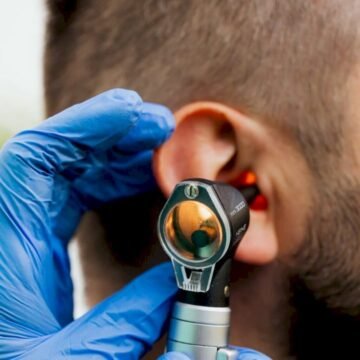
What are ear drops? A clear, practical guide

TL;DR:
- Ear drops are localized medicines used to treat ear infections, inflammation, and wax buildup by delivering active ingredients directly to the affected area. They should only be used when the eardrum is intact, and proper application techniques, such as keeping the ear facing upward afterward, are essential for effectiveness and safety. Misuse or applying drops with perforated eardrums can cause significant harm, so professional assessment is recommended for persistent or uncertain cases.
Ear drops are something most of us reach for without giving them much thought. You’ve got an itchy ear, a blocked one, or a child crying at 2am, and a small bottle seems like the obvious answer. But what are ear drops, exactly, and are they always the right choice? There’s more to these little bottles than most people realise. Used correctly, they can be genuinely effective. Used incorrectly, they can cause real harm. This guide cuts through the confusion so you know exactly what you’re working with before you put anything in your ear.
Table of Contents
- Key takeaways
- What are ear drops and how do they work?
- Types of ear drops: formulations and their uses
- Safety: side effects and when not to use ear drops
- How to use ear drops correctly
- When ear drops aren’t enough
- My perspective on ear drop misuse
- Get expert ear care near you
- FAQ
Key takeaways
| Point | Details |
|---|---|
| Ear drops treat specific conditions | Different formulations target infections, inflammation, pain relief, and earwax softening. |
| Perforated eardrums change everything | Never use ear drops without knowing whether your eardrum is intact, as some can cause serious harm. |
| Position matters after application | Keeping your ear facing upward for several minutes after application significantly improves effectiveness. |
| Pain drops don’t cure infections | Analgesic drops ease discomfort but do not kill bacteria or treat the underlying cause. |
| Professional help has a clear place | Persistent symptoms, hearing loss, or heavy earwax often require clinical assessment rather than drops alone. |
What are ear drops and how do they work?
Ear drops are liquid medicines applied directly into the ear canal. They come in small bottles with a dropper tip, and they work by delivering medication right to the site where it’s needed, rather than sending it through your whole body via a tablet or capsule. That localised delivery is the whole point. It means the medication acts faster in the affected area, with less systemic exposure.
How ear drops work depends entirely on the type. Antibiotic drops release antibacterial agents that kill or inhibit the bacteria responsible for an infection. Steroid drops reduce the local inflammatory response. Earwax softening drops work by breaking down the lipid structure of wax, making it easier for the wax to migrate naturally out of the canal or be removed safely.
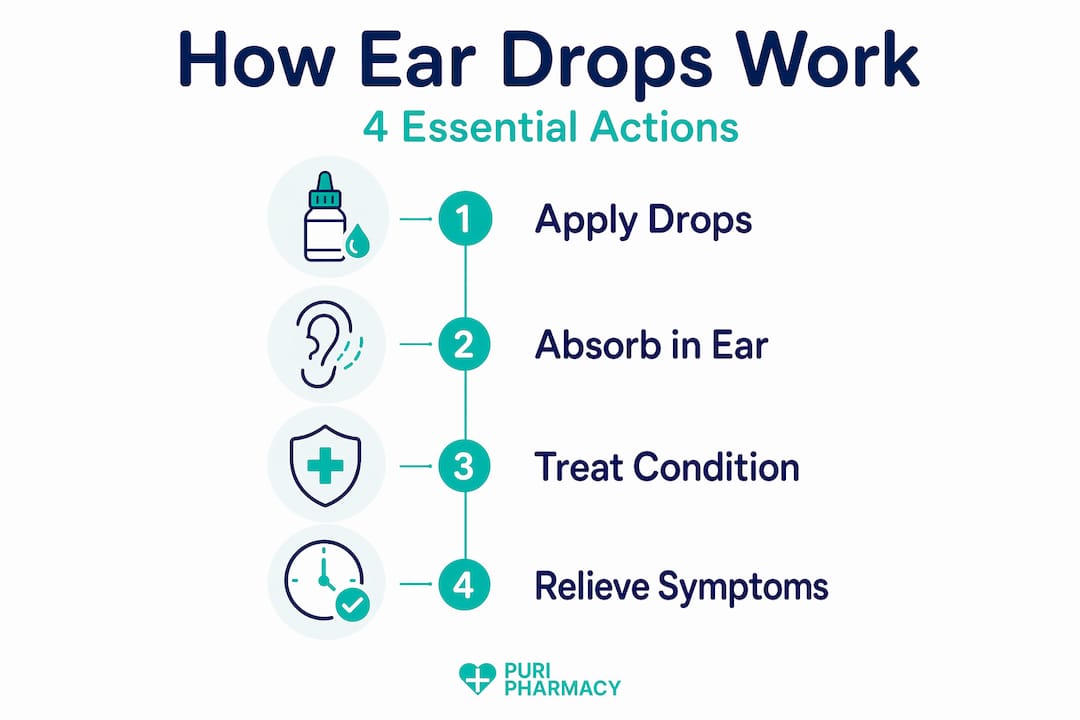
The ear itself has two relevant sections. The outer ear canal runs from the opening of your ear to the eardrum. Most ear drops are designed to treat conditions in this outer canal. The middle ear, which sits behind the eardrum, is a separate space that standard ear drops cannot reach unless the eardrum has a perforation. This distinction matters enormously for safety, as you’ll see shortly.
Uses of ear drops include:
- Treating bacterial outer ear infections (otitis externa, sometimes called swimmer’s ear)
- Reducing inflammation and itching in the ear canal
- Softening or loosening compacted earwax before removal
- Providing temporary pain relief from earache
- Treating fungal infections of the outer ear
Pro Tip: If you’re unsure whether your ear problem is in the outer or middle ear, don’t guess. A pharmacist or GP can often identify this quickly, and it changes which treatment is appropriate.
Types of ear drops: formulations and their uses
Not all ear drops are the same, and picking up the wrong one can mean your symptoms linger or, worse, worsen. Here’s a breakdown of the main categories.
| Type | Common ingredients | Main purpose | Prescription needed? |
|---|---|---|---|
| Antibiotic | Gentamicin, neomycin, ciprofloxacin | Bacterial ear infections | Usually yes |
| Antibiotic + steroid | Neomycin, polymyxin B, hydrocortisone | Infection with inflammation | Yes |
| Antifungal | Clotrimazole | Fungal outer ear infections | Sometimes |
| Analgesic | Antipyrine, benzocaine | Pain and swelling relief | No (OTC) |
| Earwax softening | Olive oil, sodium bicarbonate, docusate | Softening compacted wax | No (OTC) |
Antibiotic drops target bacterial infections. Gentamicin ear drops are one example, used specifically for bacterial infections of the ear canal. They are prescription-only because the choice of antibiotic should be matched to the likely bacteria involved.

Some prescription drops combine antibiotics with steroids for a dual effect. The combination of neomycin, polymyxin B, and hydrocortisone is a well-known example, used when both infection and inflammation are present in the ear canal.
Antifungal drops are specifically for fungal infections. These are less common than bacterial ones but do occur, particularly in people who swim frequently or use cotton buds. Clotrimazole drops work by killing the fungus and stopping it from reproducing. Using an antibiotic drop on a fungal infection, or vice versa, simply won’t work.
Analgesic drops deserve special attention because they are widely available over the counter and frequently misunderstood. Antipyrine and benzocaine drops relieve pain and reduce swelling but do not treat the infection causing those symptoms. They’re useful for short-term comfort while awaiting treatment, not as a standalone fix.
Earwax softening drops are probably the most commonly purchased over-the-counter ear product. Olive oil remains one of the most recommended, and sodium bicarbonate drops can also help break down stubborn wax. These are not interchangeable with medicated drops and should only be used for wax, not infections.
Safety: side effects and when not to use ear drops
The most critical safety rule for ear drops is one that far too few people know. You should not use most ear drops if your eardrum is perforated or if you are unsure of its status. Perforated eardrum risk is one of the main contraindications listed by clinical bodies, and for good reason. Certain ingredients, including some aminoglycoside antibiotics like gentamicin, carry ototoxic risks when they come into contact with the middle ear. This means they can damage hearing.
Side effects of ear drops you should know about:
- Local irritation. A mild stinging or burning sensation is common, particularly with antibiotic or antifungal drops. It usually settles within minutes.
- Allergic reactions. Some people react to preservatives or active ingredients in drops. Signs include increased redness, swelling, or rash around the ear.
- Temporary hearing changes. If drops contain a carrier that temporarily fills the canal, you may notice muffled hearing until it disperses.
- Systemic absorption. With certain antibiotics, particularly if the eardrum is compromised, there is a risk of the medication entering the bloodstream. This is uncommon with an intact eardrum but worth knowing about.
- Skin reactions from prolonged use. Using ear drops for longer than the prescribed course can cause skin breakdown in the ear canal.
Dosage adherence matters more than many people realise. Standard dosages for combination antibiotic and steroid drops are typically three to four drops, three to four times daily. Exceeding this doesn’t speed recovery. It increases risk.
Pro Tip: If you’ve had a perforated eardrum in the past, even if it’s since healed, tell your pharmacist or GP before using any ear drops. The history matters for choosing the safest option.
Consult a healthcare professional if you have any ear discharge, recent ear surgery, severe pain, or if you’re using ear drops for a child under two years of age. These situations all warrant individual assessment, not a generic product picked off a shelf.
How to use ear drops correctly
Getting drops into your ear is not as straightforward as it sounds. Most of the time people do it wrong, and that directly reduces how well the medication works.
- Warm the bottle slightly. Cold drops in your ear canal can cause dizziness. Hold the bottle in your hand for one to two minutes before use. Do not heat it in water.
- Lie down or tilt your head. Position your affected ear facing upward. You can lie on your side or tilt your head sideways while seated.
- Pull the outer ear gently. For adults, pull the ear upward and backward to straighten the canal. For children, pull it gently downward and backward. This opens the path for the drops.
- Apply the drops as directed. Let them fall into the ear canal. Avoid touching the dropper tip to the ear, as this can contaminate the bottle.
- Stay still for several minutes. Keeping your ear upward for at least one to five minutes maximises the time the medication stays in contact with the affected tissue.
- Gently press the small flap of skin over the ear opening. This helps work the drops deeper into the canal.
For children, the positioning step is the hardest part. Distraction works well. Ask a child to hold a favourite toy or watch a short video while lying still. Making it a calm, predictable routine reduces resistance significantly.
Ear drops for children should always be chosen with care. Many adult formulations are not suitable for young children, and dosages differ. Always check the product label or ask your pharmacist before using any ear drop on a child under 12.
When ear drops aren’t enough
Ear drops are useful, but they have limits. Recognising those limits early can save you several uncomfortable weeks.
Pain relief drops are one of the most commonly misused products in this category. They make your ear feel better without addressing what’s causing the problem. If you have a bacterial infection and only use analgesic drops, the infection continues to develop underneath the temporary comfort.
In severe cases of otitis externa, swelling in the canal can be so significant that drops cannot physically reach the infected tissue. Clinicians may place an ear wick for treatment for 24 to 72 hours to hold the canal open and allow medication to penetrate properly. This is a clinical procedure, not something you manage at home.
Watch for these signs that need a professional assessment:
- Persistent pain after 48 to 72 hours of treatment
- Discharge or fluid from the ear
- Noticeable hearing loss
- Swelling around or behind the ear
- Fever alongside ear symptoms
- Wax that doesn’t soften or shift after two weeks of softening drops
For earwax specifically, drops are often a first step rather than a complete solution. Heavily impacted wax frequently requires professional removal after softening. Attempting to dig it out yourself is one of the leading causes of ear canal damage. Puripharmacy offers professional earwax removal that addresses what drops can’t.
My perspective on ear drop misuse
What I’ve found from working in community pharmacy is that most people use ear drops too late, with too little information, and with expectations that simply don’t match what the product can do. Someone has had a blocked ear for three weeks, tried olive oil twice, felt no change, and concludes that ear drops don’t work. The reality is often that they waited too long, used the wrong product, or didn’t apply it correctly.
The other thing I see regularly is people using leftover prescription drops from a previous infection to treat a completely different problem. Antibiotic drops prescribed for a bacterial infection won’t do anything useful for a fungal one. They may actually make a fungal infection worse by altering the ear canal environment.
What concerns me more than anything, though, is the number of people who have no idea whether their eardrum is intact before they start dropping things into their ear. Eardrum integrity is the single most important factor in determining whether an ear drop is safe to use. A short conversation with a pharmacist or a quick ear examination can establish this in minutes.
If you’re ever in doubt about your ear health, please ask. It costs nothing and can prevent a genuinely unpleasant complication.
— R
Get expert ear care near you
If your ear symptoms aren’t responding to drops, or you want to make sure you’re using the right product safely, Puripharmacy is here to help. Based in west London, the team offers professional earache consultations through the NHS Pharmacy First service, where a pharmacist can assess your symptoms and recommend the right course of action without you needing a GP appointment.

For earwax that won’t budge with softening drops, Puripharmacy provides specialist earwax removal in several locations. Whether you’re looking for earwax removal near Yiewsley or services closer to Heathrow or Hillingdon, the clinic uses safe, effective techniques matched to your individual situation. No guesswork, no unnecessary products. Just clear ears and practical advice.
FAQ
What are ear drops used for?
Ear drops are used to treat a range of ear conditions including bacterial and fungal infections, inflammation, pain relief, and earwax build-up. The specific formulation determines what condition it targets.
Can I use ear drops if I have a perforated eardrum?
No. Most ear drops should not be used if the eardrum is perforated, as certain ingredients can enter the middle ear and cause hearing damage. Always check with a pharmacist or GP first.
How long should I keep drops in my ear after applying them?
You should keep your ear facing upward for at least one to five minutes after applying drops. This improves medication contact with the ear canal tissue and increases effectiveness.
Are pain relief ear drops the same as antibiotic drops?
No. Analgesic drops like antipyrine and benzocaine relieve pain but do not cure infections. If you have a bacterial infection, you need antibiotic drops prescribed by a clinician.
Are ear drops safe for children?
Many ear drops are suitable for children, but age restrictions and dosages vary by product. Always check the label or consult a pharmacist before using any ear drops for children, particularly those under 12 years old.