How to treat blocked ears: home remedies and when to act
TL;DR:
- Treating blocked ears effectively depends on identifying the underlying cause, such as wax buildup or pressure issues. Home remedies like softening drops, gentle rinsing, or the Valsalva maneuver can work if applied correctly within appropriate timeframes; otherwise, professional care is essential. Avoid using cotton swabs or ear candling, and seek medical attention promptly for persistent, painful, or worsening symptoms to prevent complications.
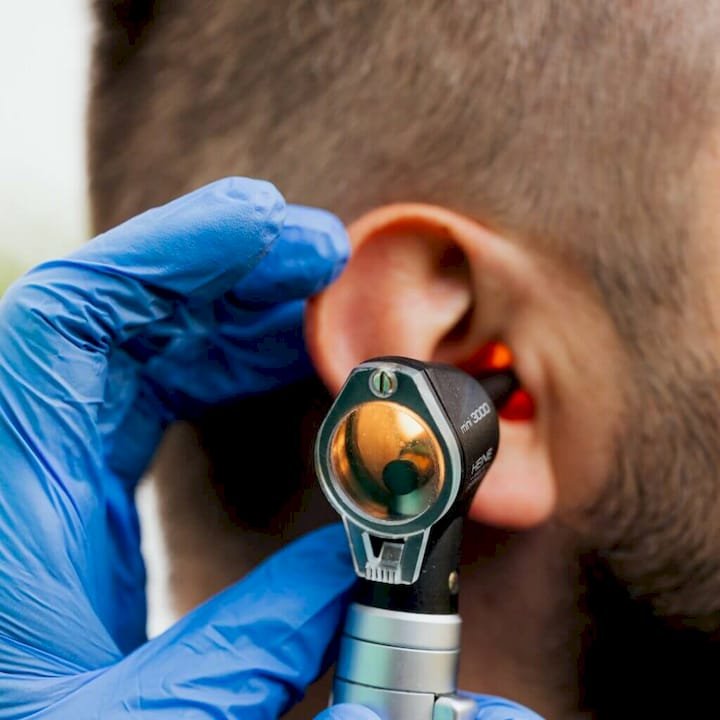
Blocked ears, known clinically as ear blockage or aural fullness, are defined as a sensation of fullness, muffled hearing, or pressure in the ear caused by earwax buildup, Eustachian tube dysfunction, trapped water, or changes in air pressure. Knowing how to treat blocked ears correctly depends entirely on identifying the cause first. The most common home treatments include the Valsalva manoeuvre for pressure-related blockage, over-the-counter softening drops such as carbamide peroxide or mineral oil for wax buildup, and warm compresses for congestion. Applying the wrong remedy to the wrong cause is not just ineffective. It can make things considerably worse.
What causes blocked ears and why the cause matters
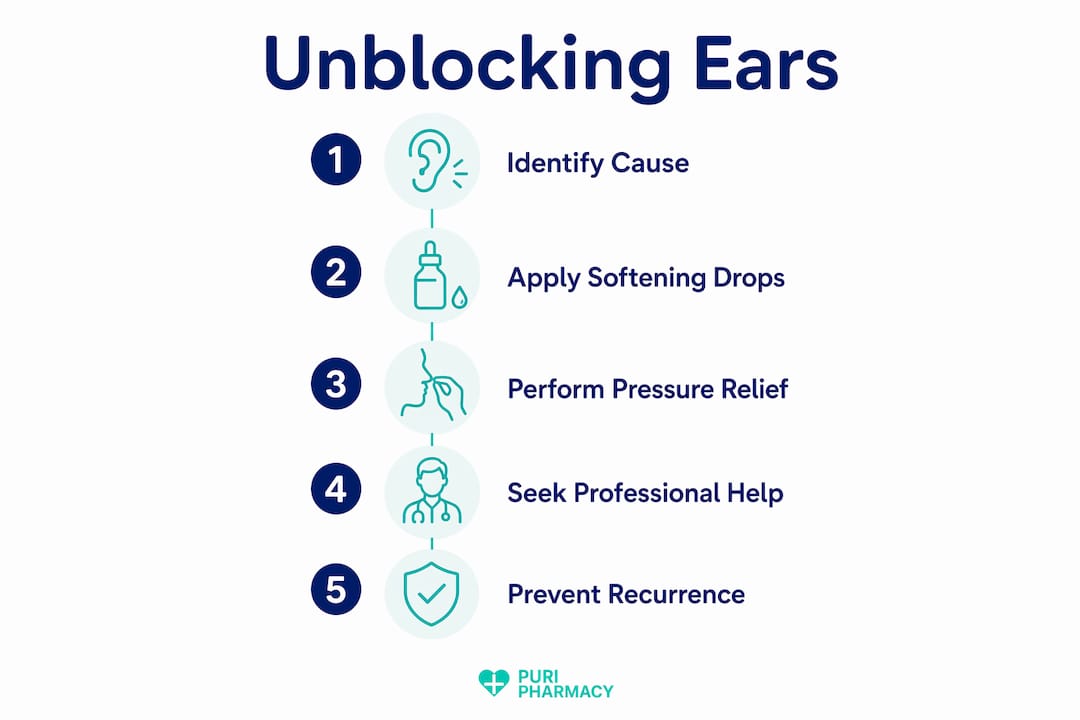
The cause of your blocked ear determines which treatment will actually work. Mismanagement is common precisely because people reach for the nearest remedy without stopping to assess the source of the problem.
The five most common causes of blocked ears are:
- Earwax buildup: The ear canal produces cerumen (earwax) naturally to protect itself. Earwax protects the canal but causes blockage when over-produced or pushed inward by cotton swabs or earbuds. This is the most treatable cause at home.
- Eustachian tube dysfunction: The Eustachian tube connects the middle ear to the back of the throat. When it fails to open and equalise pressure, you feel fullness or muffled hearing. Colds, allergies, and sinus infections are the most frequent triggers.
- Changes in air pressure: Flying, diving, or driving through mountains can create a pressure imbalance between the middle ear and the outside environment. This is the classic “popping” sensation.
- Trapped water: Water lodged in the ear canal after swimming or bathing creates a blocked sensation and can increase infection risk if left untreated.
- Infection or allergy: Outer ear infections (otitis externa) and middle ear infections (otitis media) cause swelling that blocks the canal or Eustachian tube. Allergic rhinitis frequently contributes to Eustachian tube congestion.
Symptoms that suggest you need medical attention rather than home care include persistent pain lasting more than a few days, discharge from the ear, sudden or significant hearing loss, dizziness, or vertigo. These are not situations for home remedies.
How to treat earwax blockage safely at home
Earwax blockage is the most straightforward cause to treat at home, provided you follow a safe and consistent approach. The goal is to soften the wax so it can migrate out of the canal naturally, not to dig it out.
Step-by-step guide to treating earwax blockage at home:
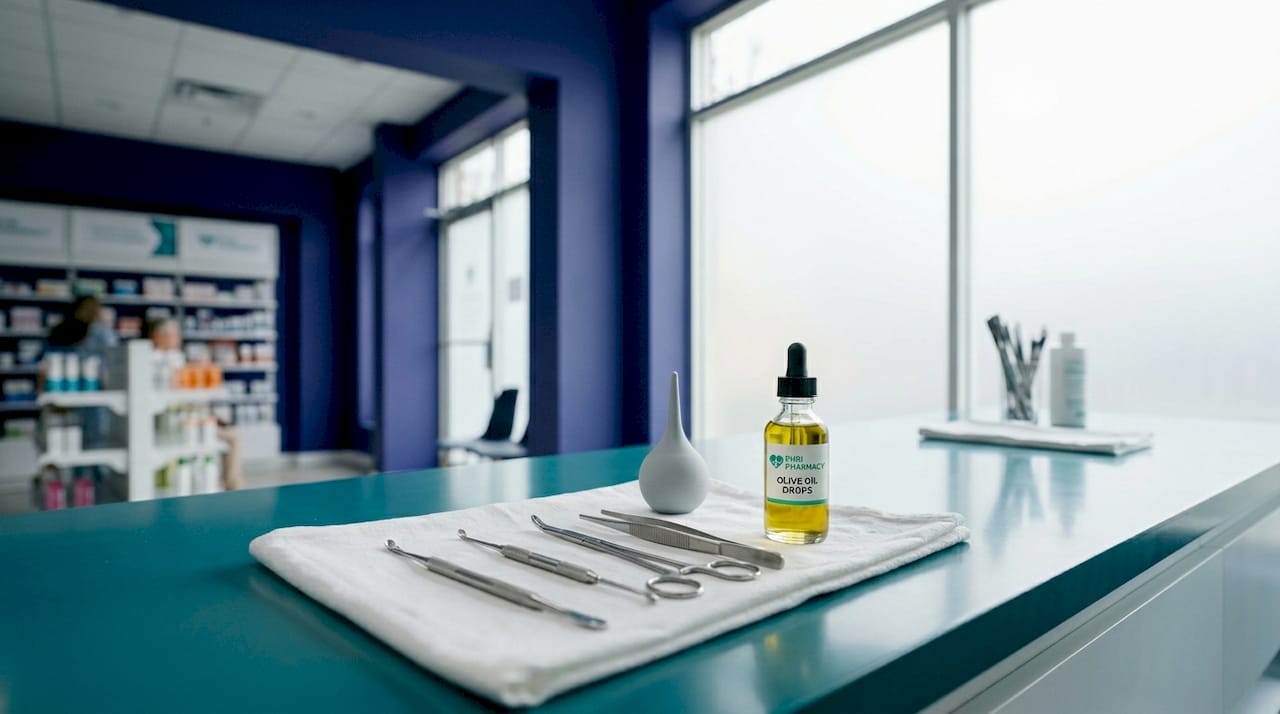
- Choose an appropriate softening agent. Over-the-counter ear drops containing carbamide peroxide (such as Otex) or mineral oil are the standard options available at UK pharmacies. Olive oil drops are a widely used and gentle alternative. All three work by softening the wax so it loosens and drains.
- Apply the drops correctly. Tilt your head to one side, place the recommended number of drops into the affected ear, and remain in that position for five minutes. A cotton wool ball placed loosely at the entrance (not pushed in) can prevent drips.
- Repeat consistently for three to five days. Softening drops should be used for 3 to 5 days before expecting the wax to clear. Stopping after one application rarely resolves the blockage.
- Expect a temporary worsening. Drops can temporarily worsen fullness as the wax absorbs moisture and swells before it breaks down. This is normal and not a sign the treatment is failing.
- Rinse gently if needed. After several days of softening, a gentle warm-water rinse using a bulb syringe can help flush loosened wax. Use water at body temperature. Cold or hot water can cause dizziness. Ear irrigation requires controlled temperature and pressure to avoid injury, so do not force water into the canal.
- Do not use cotton swabs. Cotton swabs frequently compact wax deeper into the canal rather than removing it. The ear canal is self-cleaning and does not require internal cleaning tools.
Pro Tip: Never attempt home irrigation if you have a known or suspected eardrum perforation. Fluid entering the middle ear through a perforated drum risks serious infection and permanent hearing damage.
Ear candling is not a safe or effective alternative. Ear candling causes burns, tympanic membrane perforation, and worsened blockage. No credible medical body recommends it. If drops and gentle rinsing do not clear the wax within a week, professional removal is the appropriate next step.
How to relieve blocked ears caused by pressure or congestion
Pressure-related blockage and Eustachian tube dysfunction respond to a different set of techniques entirely. These methods work by encouraging the Eustachian tube to open and equalise pressure between the middle ear and the throat.
The most effective approaches include:
- Swallowing, yawning, and chewing gum. Each of these actions activates the muscles that open the Eustachian tube. Chewing sugar-free gum on a flight is one of the simplest and most reliable ways to manage pressure changes during ascent and descent.
- The Valsalva manoeuvre. Pinch your nostrils closed, close your mouth, and gently blow as if blowing your nose. The gentle increase in pressure forces the Eustachian tube open. The Valsalva manoeuvre is recommended for Eustachian tube dysfunction. Do not blow forcefully. Excessive pressure can rupture the eardrum.
- Steam inhalation. Leaning over a bowl of hot water with a towel over your head for ten minutes can loosen mucus and reduce congestion around the Eustachian tube opening. Adding a few drops of eucalyptus oil is a popular addition, though the steam itself does the primary work.
- Warm compress. Holding a warm flannel against the affected ear for ten to fifteen minutes reduces inflammation and encourages fluid drainage. This is particularly useful when congestion from a cold or sinusitis is the underlying cause.
- Nasal decongestants. Short-term use of a decongestant nasal spray such as xylometazoline can reduce swelling around the Eustachian tube opening. Use for no more than three to five days to avoid rebound congestion.
Pro Tip: If you have an active ear infection or a known perforated eardrum, do not perform the Valsalva manoeuvre. The pressure increase can push bacteria further into the middle ear and worsen the infection significantly.
For those with repeated Eustachian tube dysfunction, temporary decongestants only mask the symptom. Long-term relief requires treating the underlying cause, whether that is allergic rhinitis, chronic sinusitis, or anatomical factors that a specialist needs to assess.
When home remedies are not enough: signs to see a professional
Home treatment is appropriate for mild, short-lived blockage with a clear cause. Several symptoms indicate that professional evaluation is not optional.
Seek medical attention promptly if you experience persistent ear pain, discharge from the ear canal, sudden hearing loss, dizziness, or vertigo. These symptoms may point to a middle ear infection, a perforated eardrum, or sensorineural hearing loss, all of which require clinical assessment and cannot be resolved with home remedies.
The specific red flags to watch for are:
- Pain that persists beyond two to three days or worsens despite home treatment
- Any visible discharge, particularly if it is yellow, green, or blood-tinged
- Sudden or significant reduction in hearing in one or both ears
- Dizziness, vertigo, or a sensation that the room is spinning
- Tinnitus (ringing or buzzing) that appears alongside the blockage
- Fever accompanying ear symptoms in adults or children
These symptoms may indicate serious conditions requiring urgent care rather than a wait-and-see approach. Delaying assessment for a middle ear infection, for example, risks spread to surrounding structures. Sensorineural hearing loss, which originates in the inner ear or auditory nerve, does not respond to any home remedy and requires specialist referral within days of onset for the best chance of recovery.
Professional treatments available beyond home care include microsuction (the gold standard for earwax removal), ear irrigation performed under clinical conditions, antibiotic ear drops for outer ear infections, and specialist referral for Eustachian tube balloon dilation in chronic cases.
Practical tips to prevent blocked ears
Prevention is considerably easier than treatment. Most recurring blocked ears trace back to a small number of avoidable habits.
| Habit to avoid | Safer alternative |
|---|---|
| Using cotton swabs inside the ear canal | Allow the ear to self-clean; wipe the outer ear only with a flannel |
| Swimming without ear protection | Use well-fitted silicone earplugs designed for swimming |
| Ignoring allergy symptoms | Manage hay fever and allergic rhinitis with antihistamines or nasal sprays |
| Flying with a heavy cold | Use a decongestant nasal spray one hour before descent |
| Forcing water out of the ear aggressively | Tilt the head and allow water to drain naturally, or use a dry towel on the outer ear |
Keeping ears dry after swimming or bathing reduces the risk of both trapped water and outer ear infections. Staying well hydrated supports healthy mucus membrane function throughout the upper respiratory tract, which in turn keeps the Eustachian tube working properly. Managing seasonal allergies with antihistamines such as cetirizine or loratadine reduces the swelling that leads to Eustachian tube congestion. These are not dramatic interventions. They are consistent habits that make a measurable difference over time.
Key takeaways
Effective treatment of blocked ears depends on correctly identifying the cause before applying any remedy, whether at home or with professional support.
| Point | Details |
|---|---|
| Match treatment to cause | Earwax needs softening drops; pressure blockage needs Valsalva or steam; infections need clinical care. |
| Use drops for 3 to 5 days | Consistency matters. One application rarely clears a wax blockage. Expect temporary worsening as wax swells. |
| Avoid cotton swabs and ear candling | Both worsen blockage. Cotton swabs compact wax; ear candling risks burns and eardrum perforation. |
| Know the red flags | Persistent pain, discharge, sudden hearing loss, or vertigo require professional assessment without delay. |
| Prevention is straightforward | Ear protection when swimming, allergy management, and leaving the canal alone prevent most recurrences. |
What I have learned from years of seeing blocked ears in practice
The single most common mistake I see is people treating the symptom rather than the cause. Someone with Eustachian tube dysfunction from a cold spends a week using earwax drops that do nothing, because there is no wax to dissolve. Someone else with a significant wax blockage tries the Valsalva manoeuvre repeatedly and wonders why nothing shifts. The cause guides the treatment. That principle sounds obvious, but it is routinely ignored.
The second thing I would push back on is the idea that ears need regular cleaning. The ear canal is genuinely self-cleaning. The wax migrates outward on its own. The people who come to us with the worst compacted wax blockages are almost always the most diligent “ear cleaners.” They have been pushing wax inward with cotton swabs for years without realising it. Leaving the canal alone is not neglect. It is the correct approach for the vast majority of people.
My honest caution is around ear candling. It still has a following, and I understand why. It feels like it should work. It does not. The evidence against it is clear, and I have seen the aftermath of burns and perforations that resulted from it. If a home remedy sounds dramatic or involves heat near the ear canal, treat that as a warning sign rather than a selling point.
If home treatment has not worked within five to seven days, or if you are unsure of the cause, come and speak to a pharmacist. That conversation takes five minutes and can save you weeks of discomfort.
— R
Professional earwax removal at Puripharmacy
If home remedies have not resolved your blocked ear within a week, or if you would rather have the problem assessed and treated safely from the outset, Puripharmacy offers professional earwax removal in Yiewsley, near Beaconsfield, and at Heathrow. Our trained pharmacists use microsuction and irrigation techniques in a clinical setting, with otoscopic assessment before any procedure to confirm the treatment is appropriate for you.

You do not need a GP referral. Walk-in appointments and pre-booked slots are available across our west London locations. If you are unsure whether your symptoms need professional attention, speak to one of our pharmacists for personalised advice before booking.
FAQ
What is the fastest way to unblock ears at home?
For pressure-related blockage, the Valsalva manoeuvre (pinching the nose and gently blowing) provides the quickest relief. For wax blockage, over-the-counter softening drops used consistently over three to five days are the most effective home approach.
Can I use olive oil to treat earwax blockage?
Yes. Olive oil is a safe and widely recommended softening agent for earwax. Apply two to three drops to the affected ear, tilt your head for five minutes, and repeat daily for up to five days.
Is it safe to use cotton swabs to clean my ears?
Cotton swabs should not be used inside the ear canal. They frequently push wax deeper and compact it, which worsens blockage rather than resolving it. Clean only the outer ear with a flannel.
When should I see a doctor for blocked ears?
Seek medical attention if you experience persistent pain, discharge, sudden hearing loss, vertigo, or if home treatment has not worked after five to seven days. These symptoms may indicate an infection or a more serious underlying condition.
Does ear candling work for blocked ears?
Ear candling does not work and carries real risks including burns, eardrum perforation, and worsened blockage. No medical body recommends it. Professional microsuction or irrigation is the safe and effective alternative.