Fast facts about pharmacy clinics you should know
TL;DR:
- Pharmacy clinics now provide comprehensive services beyond prescriptions, including testing, treatment, and referrals for acute and chronic conditions. They primarily serve patients without easy access to GPs, with most visits for acute ailments, reducing pressure on emergency services. Structured NHS protocols ensure private, recorded consultations, expanding healthcare access especially in underserved areas.
Pharmacy clinics have quietly become one of the most practical frontlines in everyday healthcare, yet most people still think of them as somewhere you simply collect a prescription. That picture is well out of date. If you want fast facts about pharmacy clinics that actually change how you think about them, you are in the right place. From treating infections without a GP appointment to running chronic disease management programmes, today’s pharmacy clinic does considerably more than the average patient realises, and the evidence backs that up.
Table of Contents
- Key takeaways
- 1. Fast facts about pharmacy clinics start with what they actually do
- 2. The patient demographics tell an important story
- 3. The majority of visits are for acute conditions
- 4. How NHS Pharmacy First structures a consultation
- 5. Private consultation rooms are a clinical requirement
- 6. Mobile pharmacy clinics are expanding access in underserved areas
- 7. Pharmacist involvement in emergency departments is more nuanced than you might think
- 8. Comparing pharmacy clinic models
- My perspective on where pharmacy clinics genuinely stand
- Explore clinical pharmacy services at Puripharmacy
- FAQ
Key takeaways
| Point | Details |
|---|---|
| Far more than dispensing | Pharmacy clinics assess, treat, test, and refer, covering both acute and chronic conditions. |
| NHS Pharmacy First changes access | Pharmacists can now treat seven common conditions without a GP appointment under official NHS protocols. |
| Significant unmet need addressed | One in three pharmacy clinic patients in recent research had no family doctor, highlighting a real gap filled. |
| Most visits are for acute problems | Around 80% of pharmacy clinic visits are for acute ailments, making them a key first port of call. |
| Multiple models exist | Community, mobile, and emergency department pharmacy clinic models each serve distinct patient groups and needs. |
1. Fast facts about pharmacy clinics start with what they actually do
The biggest misconception is that a pharmacy clinic is just a room where someone checks your prescription. In reality, pharmacy clinics assess and manage a wide range of conditions, prescribe treatments, carry out tests, administer vaccinations, and make referrals when needed.
Alberta pharmacists can prescribe most medications (excluding narcotics), perform diagnostic tests, administer injections, and manage chronic diseases. That is a substantially broader scope than most patients expect when they walk through the door.
In the UK, the NHS Pharmacy First service allows pharmacists to treat seven specific conditions without any GP involvement. Those conditions are sinusitis, sore throat, ear infections, infected insect bites, impetigo, shingles, and uncomplicated urinary tract infections.
Pro Tip: If you have a minor infection or acute ailment, check whether your local pharmacy clinic can treat you directly under NHS Pharmacy First before booking a GP appointment. You may be seen far sooner.
Common services offered across pharmacy clinic models include:
- Consultation and clinical assessment in private rooms
- Prescribing and dispensing for acute conditions
- Vaccinations including flu, travel, and shingles
- Blood pressure, blood glucose, and cholesterol testing
- Smoking cessation support and weight management advice
- Chronic disease monitoring and medication reviews
- Referral to GPs, specialists, or emergency services when required
2. The patient demographics tell an important story
When researchers tracked 3,305 patients attending Alberta community pharmacy care clinics, the data revealed something striking. The mean patient age was 32, 62% were women, and one in three had no family doctor.
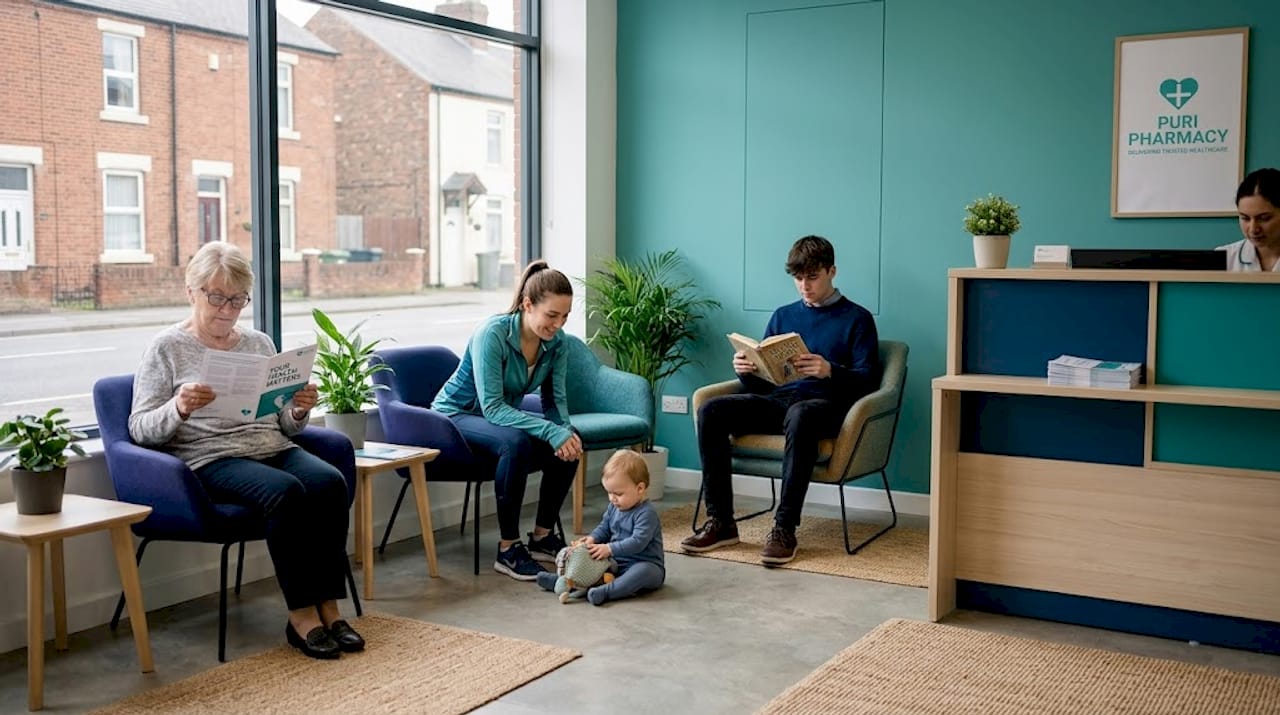
That last figure is what matters most. These patients are not choosing a pharmacy clinic for convenience. For many, it is their only realistic option for timely clinical care.
Between June 2022 and January 2023, 4,962 visits were tracked with 4,917 documented reasons, giving researchers a detailed picture of why people actually attend. The data shows pharmacy clinics are not serving a niche group. They are filling a gap at the centre of primary care.
3. The majority of visits are for acute conditions
Pharmacy clinic statistics consistently show that acute ailments dominate the appointment list. Research from the Alberta study found that 80% of visits were acute, 14% were for chronic diseases and mental health, and 3% were for testing or vaccinations.
| Visit type | Share of total visits |
|---|---|
| Acute ailments | 80% |
| Chronic disease and mental health | 14% |
| Testing and vaccinations | 3% |
| Other | 3% |
Perhaps the most compelling pharmacy clinic statistic from that same research: nearly 10% of patients said they would have gone to an emergency department or a walk-in clinic if the pharmacy clinic had not been available. That is a substantial reduction in pressure on already overstretched services.
4. How NHS Pharmacy First structures a consultation
Understanding how pharmacy clinics work under formal NHS governance helps explain why they are trusted to handle clinical conditions. The NHS Pharmacy First consultation process follows a structured clinical pathway every time.
Here is the standard sequence a pharmacist follows:
- Receive the patient via self-referral, NHS referral, or digital triage
- Complete a clinical assessment using condition-specific consultation templates
- Screen for red-flag symptoms that would require urgent GP or hospital referral
- Provide treatment through supply of a prescription-only medicine or over-the-counter product if appropriate
- Give safety-netting advice so patients know when to seek further help
- Record the consultation in the pharmacy IT system linked to NHS clinical governance standards
- Refer onwards if the clinical picture changes or the condition falls outside the pharmacist’s scope
Consultations use pharmacy IT systems that align with NHS clinical governance standards, creating a full audit trail. This is not an informal chat. It carries the same documentation requirements as a GP consultation.
Pro Tip: If you are referred from a GP or NHS 111 to a pharmacy clinic under Pharmacy First, bring any relevant medical history or previous prescriptions with you. It speeds up the assessment considerably.
5. Private consultation rooms are a clinical requirement
One of the less-discussed facts in any pharmacy clinic services overview is the physical infrastructure required. GPhC-compliant private consultation rooms are a mandatory standard, not optional extras.
These rooms must allow confidential conversation, clinical examination, and the safe handling of medicines. Pharmacists operating within them must also be trained on specific clinical pathways, not just general dispensing knowledge. The standard expected is close to what you would find in a GP surgery.
This matters to patients because it means your conversation with a pharmacist in a clinical setting carries the same privacy expectations as any other healthcare appointment. You are not discussing your UTI at the counter.
6. Mobile pharmacy clinics are expanding access in underserved areas
The community pharmacy model is not the only way clinics operate. A pharmacist-led mobile clinic in rural Ohio conducted 1,265 screenings across 713 patients, bringing clinical services directly to communities with limited healthcare access.
The results were striking. 38.1% of patients had abnormal blood glucose readings, 21.6% had abnormal cholesterol, and 60.1% had abnormal blood pressure results. The majority led to medication changes or referrals, meaning these were not routine checks. They were clinically significant findings made outside a traditional healthcare setting.
Mobile pharmacy clinic models maintain an ongoing care loop: screen, adjust medications, schedule follow-up, and refer when needed. For patients in areas where GP access is difficult, this model offers continuity of care that would otherwise not exist.
7. Pharmacist involvement in emergency departments is more nuanced than you might think
One of the more counter-intuitive pieces of pharmacy clinic statistics comes from emergency department research. A recent Alberta study found that pharmacist involvement in EDs was associated with a longer median stay (7.7 hours versus 6.7 hours) and higher rates of return visits or death at 7 and 30 days compared to matched patients without pharmacist involvement.
That does not mean pharmacists do not belong in emergency departments. It likely reflects that pharmacists are being assigned to more complex, higher-risk patients rather than simple cases. The research itself calls for careful optimisation of how pharmacist roles in EDs are structured.
The takeaway here is that pharmacy clinics perform best when they are operating within their designed scope. Community-based pharmacy clinics for acute and routine conditions are where the strongest outcomes data currently sits.
8. Comparing pharmacy clinic models
Not all pharmacy clinics work the same way. Here is how the main models compare on the factors that matter most to patients:
| Model | Setting | Typical services | Strengths |
|---|---|---|---|
| Community pharmacy care clinic | High street or shopping centre | Acute conditions, chronic disease, vaccinations, testing | Accessible, walk-in, no GP needed |
| NHS Pharmacy First (UK) | Community pharmacy | Seven specific acute conditions | Integrated with NHS records, no appointment needed |
| Mobile pharmacist-led clinic | Rural or underserved areas | Screening, medication review, referral | Reaches patients with no nearby facility |
| Emergency department pharmacy | Hospital | Complex medication review, discharge planning | Reduces medication errors in acute settings |
Key benefits of pharmacy clinics across these models include:
- No appointment needed for many services
- Often faster access than a GP for acute conditions
- Reduced cost or free at the point of use under NHS frameworks
- Trained clinical pharmacists with prescribing authority
- Referral pathways to hospital or specialist care when needed
My perspective on where pharmacy clinics genuinely stand
I have watched pharmacy clinics shift from a concept most patients were vaguely suspicious of to a service that often delivers better access than a GP surgery for the right conditions. What I find most telling is the one-in-three statistic. One in three patients attending an Alberta community pharmacy clinic had no family doctor. That is not a quirk of that particular location. That reflects a growing reality across healthcare systems in the UK and beyond.
What I have also observed is how stubbornly the “pharmacy is just for prescriptions” idea persists, even among people who have actually used a pharmacy clinic service. Part of this is how quietly these services have expanded. There has been no dramatic public campaign. The services just appeared, and those who needed them most found them.
Where I think pharmacy clinics still have work to do is patient communication. Many people genuinely do not know that their pharmacist can treat a UTI, prescribe for shingles, or screen for cardiovascular risk. The clinical capability is there. Getting the word out remains the gap.
The NHS stop smoking service is a perfect example of a pharmacy-delivered clinical programme that many people have no idea exists. The opportunity in pharmacy clinics is real. It just needs to be better known.
— R
Explore clinical pharmacy services at Puripharmacy
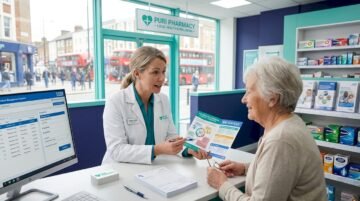
Puripharmacy operates across west London with trained pharmacists and private consultation rooms that meet the clinical standards described in this article. Whether you need NHS Pharmacy First treatment for a sore throat or ear infection, or a private clinical appointment, the services are available without long waits or the need for a GP referral.
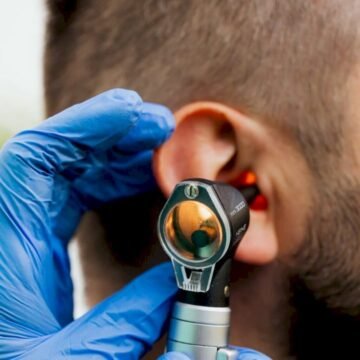
Puripharmacy also offers earwax removal in Yiewsley and across multiple west London locations, along with weight management programmes, travel vaccinations, and aesthetics services. The clinical team is experienced, the rooms are private, and the appointments are straightforward to book. If you have been putting off getting something checked because you assumed you needed to see a GP, you probably do not. Visit your nearest Puripharmacy location and find out what can be handled right there.
FAQ
What conditions can a pharmacy clinic treat without a GP?
Under NHS Pharmacy First, pharmacists can treat sinusitis, sore throats, ear infections, infected insect bites, impetigo, shingles, and uncomplicated urinary tract infections without a GP appointment. Some pharmacy clinics operating under expanded prescribing authority can also manage a broader range of acute and chronic conditions.
How do pharmacy clinics differ from a standard pharmacy?
A pharmacy clinic includes private consultation rooms, trained clinical pharmacists, and structured care pathways for assessment, treatment, and referral. A standard pharmacy primarily dispenses medicines prescribed elsewhere, whereas a pharmacy clinic can diagnose, prescribe, test, and refer as part of a full clinical service.
Do pharmacy clinics help reduce pressure on emergency departments?
Yes. Research from Alberta found that nearly 10% of pharmacy clinic patients said they would otherwise have attended an emergency department or walk-in clinic. By managing acute conditions at community level, pharmacy clinics absorb a meaningful share of demand that would otherwise fall on hospitals.
Are pharmacy clinic consultations kept private and recorded?
Yes. NHS Pharmacy First and equivalent community pharmacy clinic models require private consultation rooms compliant with GPhC standards, and all consultations are recorded in pharmacy IT systems aligned with NHS clinical governance requirements. Confidentiality standards match those of a standard GP consultation.
Who typically uses pharmacy clinics?
Research from community pharmacy care clinics shows a typical patient profile of women aged around 32, often attending for acute conditions. Critically, one in three had no registered family doctor, confirming that pharmacy clinics serve a population that has limited access to other forms of primary care.