How hydration boosts weight loss: science and tips

TL;DR:
- Drinking water before meals reduces calorie intake by up to 22% and supports more effective fat loss. Hydration actively aids processes like lipolysis, thermogenesis, and appetite regulation, making it essential for weight management. Implementing simple strategies like pre-meal water, smart swaps, and hydration awareness can significantly enhance weight loss results.
Most people trying to lose weight in West London are counting calories, tracking macros, or following the latest eating plan. Very few are paying serious attention to water. Yet drinking water before meals reduces calorie intake by 13 to 22% and leads to measurably greater weight loss. Hydration is not a minor supporting player in your health journey. It is a core mechanism that directly influences how your body burns fat, manages hunger, and sustains energy. This article explains the science clearly and gives you practical strategies you can actually use.
Table of Contents
- Why your body needs water for fat loss
- How hydration transforms your weight loss results
- Practical hydration strategies for weight loss in West London
- Common myths and dangers: what most people get wrong about hydration
- Our take: why hydration is the forgotten key to sustainable weight loss
- Next steps: support for your weight loss and wellbeing journey
- Frequently asked questions
Key Takeaways
| Point | Details |
|---|---|
| Hydration enhances fat burning | Drinking adequate water is vital for fat breakdown and boosts overall weight loss effectiveness. |
| Pre-meal water works | Consuming water before meals helps reduce calorie intake and fosters sustainable weight loss. |
| Replace sugary drinks | Switching sugary drinks for water leads to greater weight loss and better metabolic health. |
| No one-size-fits-all rule | Hydration needs depend on your health, lifestyle, and local climate; the 8-glass rule is a myth. |
Why your body needs water for fat loss
Let’s start by understanding the biological mechanisms linking hydration and fat loss. Most people think of water as passive, something you drink when you are thirsty and forget about the rest of the time. The reality is far more active than that.
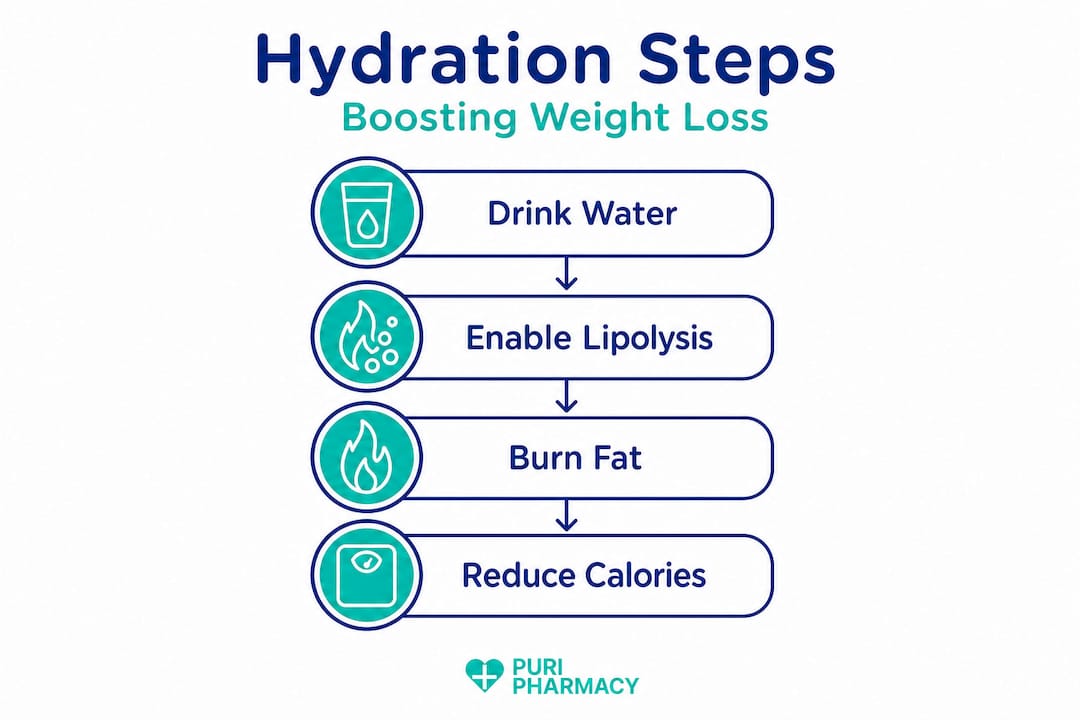
Fat loss is not simply a matter of eating less and moving more. Your body must physically break down stored fat through a process called lipolysis. This is where water becomes essential. Hydration supports lipolysis, the fat breakdown process requiring water for the hydrolysis of triglycerides. Without adequate water, this chemical reaction slows down. Your body simply cannot process stored fat efficiently when it is dehydrated.
“Dehydration does not just make you thirsty. It actively reduces the rate at which your body can oxidise fat, meaning your weight loss slows down even if everything else stays the same.”
Beyond lipolysis, water plays several other important roles in weight management:
- Thermogenesis: Drinking cold water triggers a small but real increase in calorie burn as your body works to warm the water to body temperature. Studies suggest this effect can add up to several hundred extra calories burned per week.
- Digestion: Water helps your digestive system process food properly, reducing bloating and supporting the absorption of nutrients that fuel physical activity.
- Energy for exercise: Even mild dehydration of 1 to 2% of body weight reduces physical performance noticeably. If your workouts feel harder than they should, hydration may be the reason.
- Appetite regulation: Your hypothalamus, the part of your brain that controls both hunger and thirst, can confuse the two signals. Drinking water when you feel hungry often reveals that you were simply thirsty, reducing unnecessary snacking.
If you are interested in understanding how lifestyle factors like hydration interact with your overall biology, our bio-hacking and hydration resources explore this in much more depth. The key takeaway here is that water is not a passive liquid. It is an active participant in your metabolism.
How hydration transforms your weight loss results
Understanding the science, let’s examine what studies tell us about real-world results. It is one thing to know the theory. It is another to see what happens in controlled trials when people actually change their hydration habits.
The evidence is striking. Water interventions yield 44 to 100% greater weight loss compared to control groups, according to a 2024 systematic review. That is not a marginal improvement. That is a potentially transformative difference, achievable simply by adjusting how and when you drink water.
| Strategy | Weight loss improvement | Study duration |
|---|---|---|
| 500ml water before each meal | Up to 44% more weight lost | 12 weeks |
| Replacing sugary drinks with water | Significant reduction in calorie intake | Ongoing |
| Replacing diet drinks with water | Better results than diet beverages | 24 weeks |
| General increased hydration | 44 to 100% greater overall loss | Various |
One of the most well-replicated findings is the pre-meal water method. Drinking 500ml of water roughly 30 minutes before eating creates a feeling of fullness that reduces how much you eat at each sitting. Over 12 weeks, this simple habit has been shown to produce up to 44% more weight loss compared to those who did not follow this approach. That is remarkable for something that costs nothing and takes under a minute.
What is perhaps even more surprising is the comparison between sugary drinks and diet alternatives. Many people make the switch from full-sugar fizzy drinks to diet versions and expect significant results. Research suggests that swapping to plain water actually outperforms the diet drink substitution in terms of weight loss outcomes. The reasons are complex, involving insulin responses, gut microbiome effects, and appetite signalling, but the practical message is clear: water wins.
Statistic worth noting: Adults who drink water instead of sugary beverages reduce their daily calorie intake by an average of 200 to 300 calories. Applied consistently, that reduction alone equates to meaningful fat loss over months, without changing anything else about your diet.

Keep an eye on our hydration research updates for the latest findings as this area of nutritional science continues to grow rapidly.
Practical hydration strategies for weight loss in West London
So how do you put the science into practice, especially in everyday West London life? The good news is that these strategies are simple, affordable, and easy to build into a busy routine.
-
Use the 500ml before meals method. Fill a 500ml bottle (widely available and easy to carry on the Tube or to your desk) and drink it about 30 minutes before each meal. Set a phone reminder if you need to. This single habit, backed by evidence, consistently produces better weight loss outcomes. Drinking 500ml water 30 minutes before meals enhances satiety and supports weight loss in a way that requires zero calorie restriction.
-
Start your morning with water before coffee. Many people in West London reach for coffee the moment they wake up. Overnight, your body loses fluid through breathing and perspiration. Rehydrating first thing sets your metabolism up for the day and helps manage morning hunger signals more accurately.
-
Carry a reusable water bottle everywhere. This sounds obvious, but it is the single most effective behavioural change. If water is in front of you, you drink it. If it is not, you simply forget. A 750ml to 1 litre bottle gives you a visual reminder and makes it easy to track your intake throughout the day.
-
Make smart drink swaps. Replace sugary fizzy drinks and fruit juices with water or herbal teas. Replacing sugary drinks with water leads to substantial weight loss over time, particularly when the change is maintained consistently. Herbal teas such as peppermint, ginger, or green tea count towards your fluid intake and can add variety without adding calories.
-
Eat water-rich foods. Cucumbers, celery, courgettes, tomatoes, and leafy greens all have very high water content. Including these in your meals naturally boosts hydration without you having to think about it.
Pro Tip: If you find plain water unappealing, add a slice of lemon, cucumber, or fresh mint. The flavour makes it easier to drink consistently, and consistency is what produces results.
A specific note for those currently taking GLP-1 medications such as Wegovy or Mounjaro: these medicines reduce appetite significantly and also affect how quickly your stomach empties. This can make it harder to drink large volumes at once. Sipping water steadily throughout the day rather than drinking large amounts in one go works better for this group. If you have kidney concerns or are on diuretic medication, always speak to a health professional before significantly changing your fluid intake.
For personalised support, our NHS approved weight management programme can help you integrate hydration alongside broader dietary and lifestyle guidance.
Common myths and dangers: what most people get wrong about hydration
With practical steps in hand, let’s make sure common misconceptions do not trip you up. There is a lot of outdated or simply incorrect information about hydration circulating online and in popular media.
The 8 glasses a day myth. You have almost certainly heard that you need to drink exactly 8 glasses of water per day. This figure has no strong scientific basis. There is no universal 8-glass rule and individual needs vary enormously based on body size, activity levels, diet, climate, and health conditions. Rigidly following this rule can lead to under-hydration for some people and unnecessary over-hydration for others.
Your actual hydration needs depend on a number of personal factors:
| Factor | Effect on hydration needs |
|---|---|
| Physical activity level | Higher activity significantly increases fluid requirements |
| Diet composition | High fruit and vegetable intake provides fluid; high salt raises needs |
| Medication use | Diuretics, GLP-1 drugs, and others affect fluid balance |
| Health conditions | Kidney disease, heart conditions, and diabetes require tailored advice |
| Climate and season | Hot weather or heated indoor environments increase losses |
| Body weight | Larger bodies generally require more fluid |
The simplest practical guide is urine colour. Pale straw yellow indicates good hydration. Dark yellow or amber means you need more water. Clear urine may suggest you are drinking more than necessary.
Over-hydration is a real risk. Drinking excessive amounts of water in a short period can dilute the sodium levels in your blood, a condition called hyponatraemia. This is rare in most people, but it is more of a concern for those with kidney problems, certain heart conditions, or those who exercise intensely for long periods. If you are managing hypertension and hydration alongside each other, specific guidance from a health professional is important.
Pro Tip: Do not wait until you feel thirsty to drink water. By the time thirst kicks in, mild dehydration has already begun. Drink small amounts regularly throughout the day rather than large amounts infrequently.
Caffeinated drinks do not dehydrate you as much as you think. Moderate tea and coffee consumption does contribute to your daily fluid intake. The diuretic effect of caffeine at typical consumption levels is mild and does not outweigh the fluid you are drinking. That said, water and herbal teas remain the best choices for consistent hydration support throughout the day.
Our take: why hydration is the forgotten key to sustainable weight loss
Stepping back, here is the crucial lesson we have learned through research and through supporting clients at our West London pharmacy: hydration is consistently underestimated, and that underestimation is costing people real results.
We see it regularly. Someone comes in with a solid eating plan and a genuine commitment to change, but they are constantly fatigued, their progress has stalled, and they cannot figure out why. Often, the missing piece is simply water. Not an expensive supplement, not a new medication, not a more restrictive diet. Water.
The conventional weight loss conversation in the UK focuses almost exclusively on calorie deficits, food choices, and exercise. These matter enormously. But the foundation beneath all of them is hydration. A body that is even mildly dehydrated is a body that metabolises fat less efficiently, craves food more intensely, performs worse in physical activity, and struggles to regulate energy levels throughout the day.
What frustrates us is how rarely this is addressed directly. People are given detailed meal plans but no guidance on water intake. They are prescribed weight loss medications without a clear conversation about the role fluid balance plays in those medicines working effectively. Hydration tends to be an afterthought when it should be the starting point.
Our strong view, grounded in both the evidence and everyday practice, is that a water-first approach is the most accessible, lowest-risk, and genuinely effective foundation for any weight loss strategy. Before you redesign your diet or add another supplement, get your hydration right. The improvements in energy, digestion, appetite control, and fat metabolism are available to everyone at no cost.
If you want to explore beyond diet with bio-hacking approaches and understand how hydration fits into a broader longevity and wellness framework, we have resources that go well beyond the basics.
Next steps: support for your weight loss and wellbeing journey
Finally, here is how you can put today’s learning into action with local support. At our West London pharmacy, we work with people at every stage of their weight management journey, from those just starting out to those already making progress who want to do more.
If you are looking for medically supported weight loss options, we offer access to prescription weight loss support including Wegovy, one of the most clinically validated treatments currently available. We also provide access to the NHS digital weight loss programme, which combines nutritional guidance, behavioural support, and ongoing accountability. Hydration is always part of the conversation in our consultations because we know it makes a measurable difference to outcomes. Come and speak with our team. Simple changes, made consistently, produce real results.
Frequently asked questions
How much water should you drink for weight loss?
There is no single universal amount, but drinking 500ml before meals 30 minutes before eating has consistently shown real benefits in clinical trials. Use urine colour as your daily guide.
Does water help burn fat directly?
Yes. Hydration enables lipolysis, the chemical process through which your body breaks down stored fat. Without sufficient water, this process is impaired regardless of how well you eat.
Can drinking water replace diet or exercise for weight loss?
No, but it significantly enhances results when combined with healthy eating and regular activity. Replacing sugary drinks with water is one of the most impactful single changes you can make to your daily routine.
Are there risks to drinking too much water?
Yes. Over-hydration can dilute blood sodium and cause a dangerous condition called hyponatraemia. There is no universal daily target, so always tailor your intake to your individual health circumstances and seek professional advice if you are unsure.