What is Wegovy? Your complete guide (2026)

TL;DR:
- Wegovy is a prescription medication containing semaglutide, approved for chronic weight management in adults with obesity or overweight with health conditions. It works by reducing appetite and delaying gastric emptying, leading to significant weight loss demonstrated in clinical trials, but requires lifestyle changes for lasting results. Safety concerns include gastrointestinal side effects and thyroid risk, making proper medical oversight essential, especially when switching from off-label or compounded products.
Wegovy is a prescription weight loss medication that has changed how clinicians approach obesity treatment in the UK. If you have been searching for clear information about what Wegovy is, how it works, and whether it is right for you, you are not alone. Semaglutide, the active ingredient in Wegovy, belongs to a class of medicines called GLP-1 receptor agonists. This guide covers everything from the mechanism and clinical results to Wegovy side effects, comparisons with other treatments, and practical advice for getting started.
Key takeaways
| Point | Details |
|---|---|
| Wegovy contains semaglutide | It is a GLP-1 receptor agonist that reduces appetite and slows gastric emptying to support weight loss. |
| Clinical trials show significant results | Participants lost around 15% of body weight on average, though results depend on lifestyle adherence. |
| Side effects are mostly gastrointestinal | Nausea, vomiting, and diarrhoea are common, especially early in treatment, but often settle with time. |
| Wegovy differs from Ozempic | Both contain semaglutide, but Wegovy is approved specifically for chronic weight management at a higher dose. |
| Lifestyle changes are non-negotiable | Medication alone rarely sustains results. Diet and physical activity are part of the treatment, not optional extras. |
What is Wegovy and how does it work?
Wegovy is a once-weekly injectable medication approved for chronic weight management in adults with obesity, or in adults who are overweight and have at least one weight-related health condition such as high blood pressure, type 2 diabetes, or raised cholesterol. It is always prescribed alongside a reduced-calorie diet and increased physical activity, not as a standalone solution.
The active ingredient is semaglutide, which works by activating GLP-1 receptors in the brain and gut. GLP-1 is a hormone naturally released after eating. When semaglutide mimics this hormone at higher concentrations, two things happen. Appetite signals in the brain are reduced, so you feel less hungry between meals. Gastric emptying slows down, meaning food stays in your stomach longer, so you feel full sooner and for longer after eating.
The practical result is that most people eat less without significant conscious effort. This is distinct from older appetite suppressants, which tended to act on stimulant pathways and carried significant cardiovascular risks.
Wegovy dosage guidelines
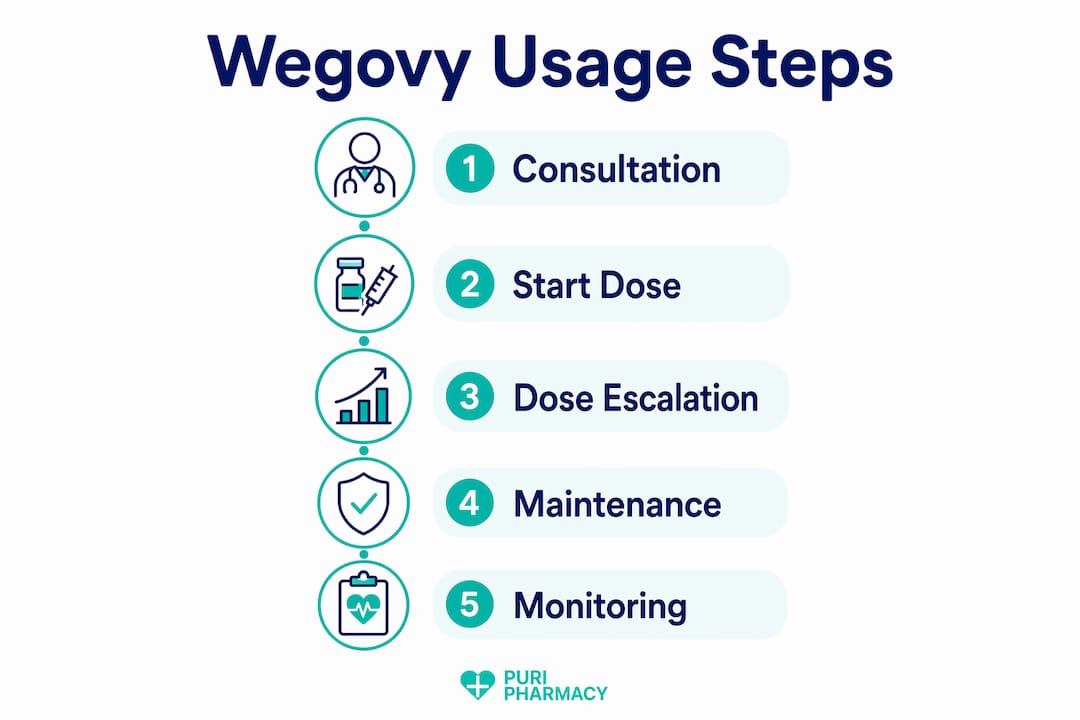
Wegovy follows a structured titration schedule designed to minimise side effects while reaching the therapeutic maintenance dose:
- 0.25 mg weekly for the first four weeks (introductory dose, not therapeutic)
- 0.5 mg weekly for weeks five to eight
- 1.0 mg weekly for weeks nine to twelve
- 1.7 mg weekly for weeks thirteen to sixteen
- 2.4 mg weekly from week seventeen onwards (maintenance dose)
Dose escalation can be delayed by up to four weeks at any stage if side effects are difficult to tolerate. This flexibility matters enormously for long-term adherence, and it is worth discussing openly with your prescriber rather than stopping treatment entirely.
Pro Tip: If you experience nausea after a dose increase, ask your prescriber about pausing the escalation rather than stopping Wegovy. Staying at a lower dose temporarily is far better than discontinuing treatment altogether.
Effectiveness and benefits of Wegovy
The clinical evidence for Wegovy weight loss is, frankly, more convincing than most drugs that have come before it. The STEP clinical trial programme, which formed the basis for regulatory approval, produced results that shifted how the medical community thinks about pharmacological obesity treatment.

| Outcome | Result from STEP 1 trial |
|---|---|
| Average weight loss | Approximately 14.9% of body weight over 68 weeks |
| Participants losing 5% or more | Around 86% of those on semaglutide |
| Participants losing 15% or more | Around 32% of those on semaglutide |
| Reduction in waist circumference | Average of approximately 13.5 cm |
Beyond the numbers on the scales, Wegovy has demonstrated benefits that go well beyond what weight loss alone would explain. The SELECT trial found that semaglutide reduced cardiovascular events such as heart attack and stroke in people with overweight or obesity who had established cardiovascular disease. Crucially, this cardiovascular benefit was only partially tied to the weight reduction itself, suggesting semaglutide has genuine disease-modifying properties.
Patients on Wegovy have also shown improvements in blood pressure, cholesterol levels, blood sugar control, and markers associated with metabolic-associated steatohepatitis (MASH), a form of liver disease increasingly linked to obesity.
“Obesity is a chronic, relapsing condition. Treating it with a time-limited course of medication and expecting permanent results is like treating high blood pressure for six months and then stopping. The biology does not work that way.”
This point matters practically. The STEP 1 trial extension showed that participants who stopped semaglutide regained approximately two thirds of the weight they had lost within one year. Weight regain was accompanied by a return of cardiovascular risk markers. This is not a failure of the drug. It reflects the chronic nature of obesity and underscores why sustained treatment and lifestyle adherence are both essential.
Safety and side effects of Wegovy
Understanding Wegovy side effects helps you prepare for treatment rather than being caught off guard. The majority of side effects are gastrointestinal in nature and are most pronounced during the early weeks and during dose increases.
Common side effects include:
- Nausea (the most frequently reported, especially after dose escalation)
- Vomiting
- Diarrhoea
- Constipation
- Abdominal pain or discomfort
- Fatigue, particularly in the first few weeks
- Headache
Most of these settle as your body adjusts. Eating smaller meals, avoiding fatty or rich foods around injection day, and staying well hydrated all reduce the severity of GI symptoms considerably.
There are also serious warnings that apply to a minority of patients. Wegovy carries a boxed warning regarding the risk of thyroid C-cell tumours, based on findings in rodent studies. For this reason, Wegovy is contraindicated in people with a personal or family history of medullary thyroid carcinoma (MTC) or Multiple Endocrine Neoplasia syndrome type 2 (MEN 2). Other contraindications include a history of pancreatitis, and it is not currently recommended during pregnancy.
Pro Tip: Tell your prescriber about any personal or family history of thyroid conditions before starting Wegovy. This is one of the key safety checks that should happen at your initial consultation, not as an afterthought.
Serious symptoms that warrant immediate medical attention include severe abdominal pain that radiates to the back (a potential sign of pancreatitis), visual disturbances, signs of allergic reaction, or rapid heart rate. These are uncommon but should never be ignored.
Wegovy vs Ozempic and other treatments
The most common question people ask when they first encounter Wegovy is simple: is it the same as Ozempic? The answer is that they contain the same active ingredient, semaglutide, but they are approved for different clinical uses at different doses.
| Feature | Wegovy | Ozempic |
|---|---|---|
| Active ingredient | Semaglutide | Semaglutide |
| Approved indication | Chronic weight management | Type 2 diabetes management |
| Maximum approved dose | 2.4 mg weekly | 2.0 mg weekly |
| Available form | Injection pen | Injection pen |
Ozempic is sometimes prescribed off-label for weight loss, which is why the two drugs get conflated. However, Wegovy is the formulation specifically designed and clinically validated for chronic weight management, with a titration schedule and dosing profile tailored to that purpose.
A separate consideration is compounded semaglutide, which became widely available during periods of Wegovy shortage. Compounded semaglutide differs from Wegovy in important ways. It has not undergone the same regulatory review, its dosing is not standardised, and there is no comparable clinical trial data supporting its safety and efficacy profile. If you are considering semaglutide for weight loss, branded Wegovy from a regulated prescriber is the option with the most robust evidence behind it.
Other weight loss treatments, including orlistat and older appetite suppressants, have considerably smaller effect sizes than Wegovy. Bariatric surgery remains the most effective intervention for severe obesity, but Wegovy represents a meaningful middle ground for patients who do not meet surgical criteria or prefer a medical approach.
Getting started with Wegovy
If you are considering Wegovy, knowing what to expect in the first weeks reduces anxiety and helps you stay the course. Most people notice some nausea within the first one to two weeks, which usually improves significantly by week four or five.
Here is a practical framework for the first months:
- Confirm eligibility with a prescriber. You need a BMI of 30 or above, or 27 or above with a weight-related condition, to qualify under standard prescribing guidelines.
- Set realistic expectations. Meaningful weight loss typically becomes noticeable from around week eight to twelve. Do not judge the treatment on the first four weeks alone.
- Adjust your eating patterns before the first injection if possible. Smaller, more frequent meals with lower fat content reduce the severity of early nausea.
- Track your progress with more than just the scales. Blood pressure, waist circumference, energy levels, and improved mobility are all valid markers.
- Stay in contact with your prescriber. Dose escalation is not a rigid schedule. Delaying escalation for tolerability is standard clinical practice and does not compromise your eventual results.
Pro Tip: Wegovy works most powerfully when the medication reduces hunger enough that healthier choices become easier to sustain. Use that window deliberately, not as permission to eat less of the same foods, but to build habits that will support your weight when you eventually reduce or stop the medication.
My perspective on Wegovy for weight management
I have seen first-hand how Wegovy changes the conversation around weight for patients who have struggled for years. What strikes me most is not the clinical trial data, impressive as it is. It is the shift in how patients relate to food. The constant preoccupation with hunger, the cognitive load of resisting cravings, simply quietens for many people. That alone is worth acknowledging.
What I find myself emphasising consistently is the misconception that Wegovy is a shortcut. It is not. Patients who plateau or regain weight are almost always those who relied on the medication without building any concurrent lifestyle habits. The drug reduces appetite. It does not replace the need for a changed relationship with food and movement.
I also think the Wegovy vs Ozempic confusion causes real harm. People end up on compounded products from unverified sources, without proper screening or follow-up, because the branded medication felt out of reach. That is a genuine safety concern that proper clinical oversight addresses directly.
The future of weight management will likely involve longer-term or even indefinite treatment for many patients, similar to how we manage cholesterol or blood pressure. The sooner patients and clinicians accept that framing, the better the outcomes will be.
— R
Wegovy at Puripharmacy in west London
If you are considering Wegovy and want professional support from the start, Puripharmacy’s private prescribing clinic in west London offers a structured pathway to treatment.

At Puripharmacy, our team carries out a thorough clinical assessment before prescribing Wegovy, covering your medical history, current medications, and weight-related health conditions. You receive a personalised treatment plan with clear guidance on dose escalation, side effect management, and progress monitoring. As a regulated bricks-and-mortar pharmacy, we can also support your wider health needs, whether that is blood pressure checks, cholesterol monitoring, or travel vaccines alongside your Wegovy weight loss programme. Book a consultation at Puripharmacy and take the first step with proper clinical backing.
FAQ
What is Wegovy used for?
Wegovy is a prescription medication approved for chronic weight management in adults with obesity (BMI 30 or above) or overweight (BMI 27 or above) with at least one weight-related health condition. It is always used alongside a reduced-calorie diet and physical activity.
How much weight can you lose on Wegovy?
Clinical trials show an average weight loss of approximately 15% of body weight over 68 weeks. Individual results vary depending on diet, physical activity, and adherence to the full dosing programme.
Is Wegovy the same as Ozempic?
Both contain semaglutide, but they are approved for different conditions. Wegovy is approved for chronic weight management at a maximum dose of 2.4 mg weekly, while Ozempic is approved for type 2 diabetes management at a lower maximum dose.
What are the most common Wegovy side effects?
The most common side effects are gastrointestinal, including nausea, vomiting, diarrhoea, constipation, and abdominal pain. These are most pronounced during the early weeks and during dose increases, and they typically improve with time.
Can you stop taking Wegovy once you reach your goal weight?
Stopping Wegovy is associated with significant weight regain. The STEP 1 trial extension found that participants regained around two thirds of their lost weight within one year of stopping. Ongoing treatment and lifestyle changes are generally recommended to maintain results.