Why choose professional aesthetics: confidence and care
TL;DR:
- Aesthetic treatments now serve as tools for enhancing confidence and quality of life across diverse populations. Professional care offers personalized, safe, and effective results by ensuring proper technique, risk management, and ongoing assessment. Choosing qualified practitioners is crucial to prevent complications and achieve genuine, lasting benefits.
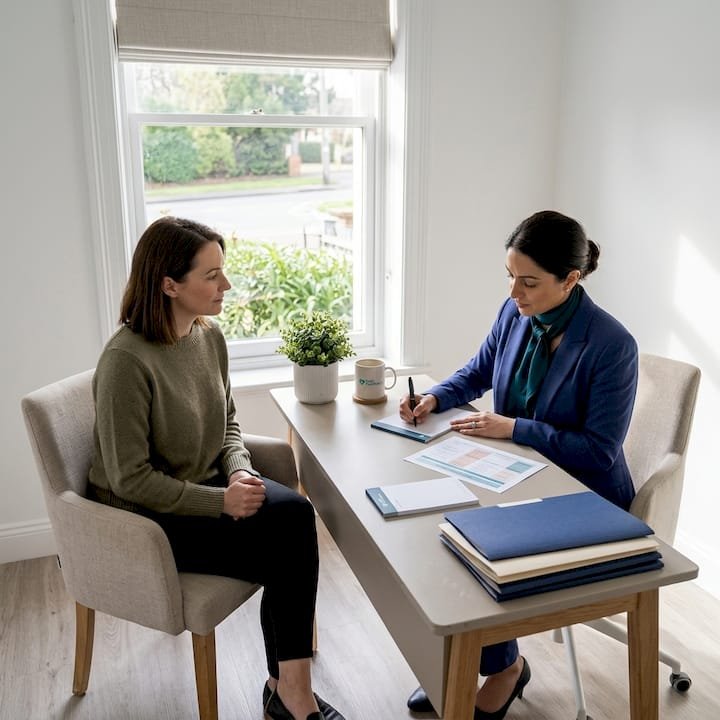
Aesthetic treatments have quietly shifted from being a luxury reserved for celebrities to a genuine tool for improving quality of life across all walks of life. The connection between how you look and how you feel is far more significant than most people realise, and aesthetic treatments link directly to patient self-confidence and social well-being, not just surface-level appearance. If you are considering a professional aesthetic treatment in West London, this guide will walk you through the real benefits, the critical safety considerations, and exactly what to look for in a provider so you can make a confident, well-informed decision.
Table of Contents
- The real benefits of professional aesthetics
- How professional care stands apart: safety, precision, and expertise
- Understanding the risks: why professional oversight matters
- What to look for in a professional aesthetic provider
- Why safe, professional aesthetics deliver more than meets the eye
- Explore professional care at Puri Pharmacy
- Frequently asked questions
Key Takeaways
| Point | Details |
|---|---|
| Beyond surface appearance | Professional aesthetics improve confidence and social well-being, not just looks. |
| Safety and results | Qualified practitioners use expertise and precision to achieve safe, effective outcomes tailored to you. |
| Risks with inexperience | Complications like scarring or infection are far more likely without professional oversight. |
| Choosing wisely | Vet your provider’s credentials, approach, and aftercare to ensure high standards and peace of mind. |
The real benefits of professional aesthetics
Most people assume that aesthetic treatments are purely about vanity. That assumption misses something important. Research consistently shows that when people feel better about their appearance, they report meaningful improvements in their broader quality of life, from how they perform at work to how they engage in social situations.
Aesthetic treatments have been linked to measurable gains in self-confidence and social well-being, not simply changes in how someone looks. This distinction matters. A client who feels more comfortable in their own skin is far more likely to engage confidently in job interviews, social gatherings, and personal relationships. The physical change is often a catalyst for something much deeper.
“The confidence someone gains after addressing a long-standing skin concern can ripple through every area of their life. It is rarely just about the treatment itself.”
The numbers back this up. A study conducted by Merz Aesthetics found that 74% of people consider confidence to be essential to their overall well-being. That is not a minor figure. It tells us that self-perception plays a central role in daily functioning, and that improving one’s appearance through safe, professional means can be a legitimate investment in mental health and life satisfaction.
Here are the key psychological and social benefits clients commonly report after professional aesthetic treatments:
- Improved self-esteem following treatment for skin concerns such as scarring, pigmentation, or textural irregularities
- Greater social confidence, particularly in situations that previously triggered self-consciousness
- Reduced anxiety around appearance-related stressors, including professional settings and social media
- Enhanced motivation to maintain broader health habits, including skincare, nutrition, and exercise
- Improved sleep and reduced rumination for clients who previously felt distracted by visible skin concerns
The key word throughout all of this is realistic. Professional treatments deliver genuine improvements when expectations are managed appropriately. This is where the expertise of a qualified practitioner becomes essential, long before the treatment itself begins.
How professional care stands apart: safety, precision, and expertise
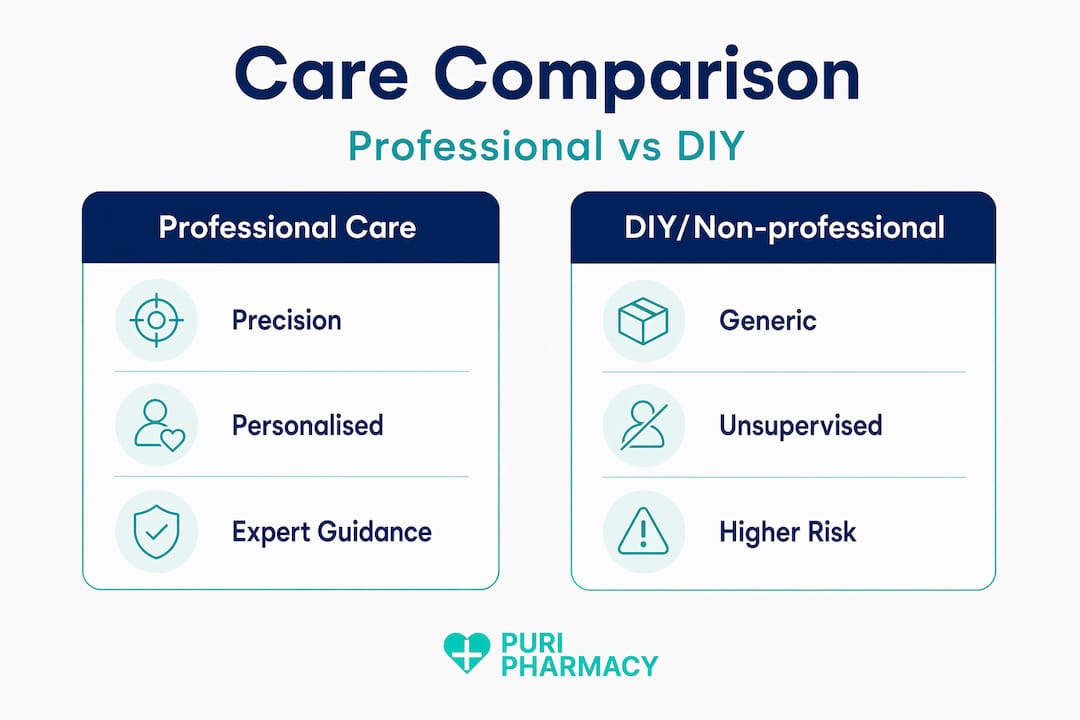
The difference between a professional aesthetic provider and a non-professional one is not simply a matter of qualifications on a wall. It is the difference between a tailored experience that accounts for your unique anatomy, skin type, and personal goals versus a generic, one-size-fits-all approach that may produce inconsistent or even harmful results.
For non-invasive and device-based treatments, professional care is defined by correct energy delivery, anatomical targeting and ongoing outcome assessment. What this means in practical terms is that a trained practitioner knows not only which device to use but at what intensity, in which areas, and for how long, based on your specific skin and the result you are trying to achieve.
| Factor | Professional provider | Non-professional or DIY |
|---|---|---|
| Treatment personalisation | Fully tailored to anatomy and goals | Generic, pre-set parameters |
| Device calibration | Adjusted per skin type and condition | Fixed settings, often inappropriate |
| Risk assessment | Pre-treatment health and skin review | Rarely conducted |
| Aftercare guidance | Structured, monitored follow-up | Usually absent or minimal |
| Outcome tracking | Before-and-after assessment | Rarely documented |
| Complication response | Immediate, trained intervention | None available |
This table illustrates why the gap between professional and non-professional care is so consequential. It is not a minor distinction. Radiofrequency microneedling, for example, requires precise depth and energy settings that vary significantly depending on the treatment area and the individual’s skin thickness. An untrained practitioner using a device with no proper calibration can cause lasting damage rather than improvement.
Pro Tip: Before booking any aesthetic treatment, ask the provider to explain how they will personalise the procedure to your specific skin type and goals. If they cannot give you a clear, tailored answer, that is a significant warning sign.
Professionals also bring something that devices alone cannot provide: real-time clinical judgement. They assess the skin’s response during treatment, adjust accordingly, and monitor healing in the days and weeks that follow. This ongoing oversight is part of the broader philosophy of longevity bio-hacking, which views skin health not as a one-off fix but as an integral part of long-term physical well-being.
Understanding the risks: why professional oversight matters
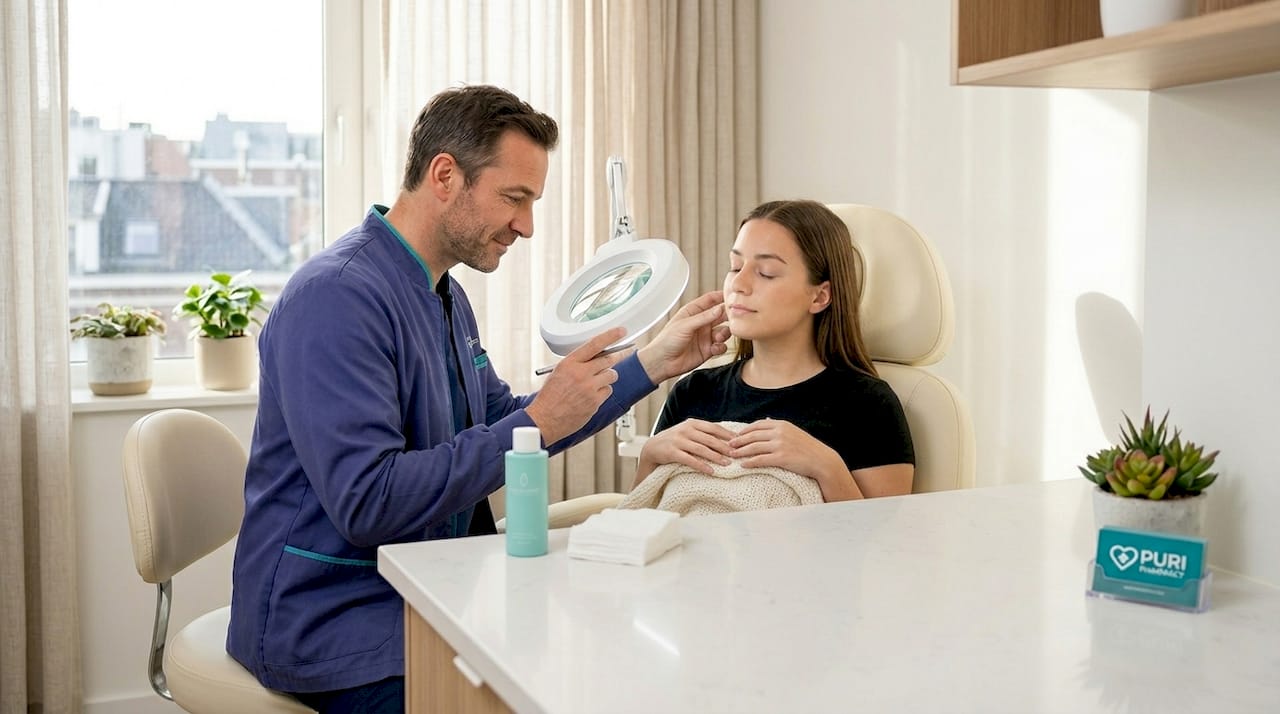
Understanding what can go wrong is not intended to frighten you. It is intended to help you make the right choice. Aesthetic procedures, even non-invasive ones, carry real risks when performed incorrectly or in uncontrolled settings.
Research into cosmetic resurfacing procedures confirms that complications can include hyperpigmentation, scarring, infection and long-lasting adverse effects, with risk increasing significantly when aggressive parameters are used, particularly in individuals with darker skin tones, those with recent UV exposure, or when the practitioner lacks proper training.
The following table summarises the most common risk categories and how professional settings manage them:
| Risk type | Trigger | Professional mitigation |
|---|---|---|
| Hyperpigmentation | Incorrect energy levels, sun exposure | Skin tone assessment, post-care UV advice |
| Scarring | Over-treatment, poor technique | Controlled depth, appropriate device selection |
| Infection | Unsterile environment or equipment | Clinical hygiene standards, sterile tools |
| Prolonged redness | Aggressive parameters | Conservative approach, patch testing |
| Prolonged swelling | Incorrect anatomical targeting | Precision placement, anatomical knowledge |
Steps a professional takes to minimise your risk:
- Comprehensive consultation: Reviewing your full medical history, current medications, skin type, and any previous adverse reactions before recommending any treatment.
- Patch testing: Applying a small test dose of energy or product to assess how your skin responds before the full procedure.
- Tailored parameters: Adjusting device settings specifically to your skin thickness, tone, and condition rather than using default settings.
- Sterile environment: Ensuring all equipment and treatment areas meet clinical hygiene standards, which are non-negotiable in a regulated pharmacy setting.
- Structured aftercare plan: Providing clear, written guidance on what to do and what to avoid after treatment, including sun protection, product use, and when to seek follow-up advice.
Pro Tip: If a provider does not offer a formal consultation before your treatment, walk away. Skipping this step is one of the clearest indicators of a practitioner who is cutting corners.
Darker skin types deserve special mention here. Individuals with Fitzpatrick skin types IV to VI face a significantly elevated risk of post-inflammatory hyperpigmentation following poorly calibrated treatments. A professional with genuine expertise in treating diverse skin tones will approach these cases with adjusted protocols and a greater degree of caution. This is not optional. It is a clinical standard.
What to look for in a professional aesthetic provider
Knowing the risks is one thing. Knowing how to assess a provider is equally critical. With the growth of the aesthetics industry across West London and beyond, not every clinic or practitioner operating in this space meets the same standard of care. Here is how to tell the difference.
“A rushed consultation is a red flag. A good practitioner will spend time understanding your concerns, your history, and your realistic expectations before discussing any treatment at all.”
The key qualities to look for in any aesthetic provider include:
- Verified credentials: Check that your practitioner holds relevant professional qualifications and, where applicable, is registered with a recognised regulatory body such as the General Pharmaceutical Council, the Nursing and Midwifery Council, or the General Medical Council.
- Detailed before-and-after portfolios: Genuine results on real clients, not stock images. Ask to see examples relevant to your skin type and the specific treatment you are considering.
- Transparent pricing and realistic outcome discussion: Professionals are honest about what a treatment can and cannot achieve. Vague promises of dramatic results are a warning sign.
- Clear written aftercare information: Provided before you leave, not mentioned verbally at the end of a session.
- Willingness to refer: A trustworthy provider will tell you honestly if a treatment is not suitable for you or if another approach would serve you better.
Untrained and inexperienced practitioners are directly responsible for a significant proportion of reported aesthetic complications in the UK. This is a well-documented pattern, and it is why choosing a provider with regulated oversight and a proper clinical setting matters so much.
Red flags to watch out for include: no consultation prior to treatment, reluctance to answer questions about qualifications, pressure to book immediately, unusually low pricing that seems too good to be true, and no formal aftercare plan. These are not minor quirks. They are indicators of serious gaps in professional practice.
Why safe, professional aesthetics deliver more than meets the eye
Here is a perspective that many people do not hear often enough: the biggest mistake clients make is treating aesthetic procedures like a commodity. They compare prices, look for the lowest number, and book with whoever seems cheapest or most convenient. Then, when something goes wrong or the results simply are not what they hoped for, they assume the treatment itself was the problem.
In most cases, the problem was not the treatment. It was the setting, the practitioner, or the complete absence of a tailored approach.
We have seen this firsthand in our work at Puri Pharmacy. Clients come to us after disappointing or even harmful experiences elsewhere, not because the treatments they chose were wrong for them, but because they were applied without the clinical rigour that safe, effective outcomes require. Shortcuts in aesthetics do not save you money. They cost you more, in time, in additional treatments to correct damage, and in confidence lost during the recovery period.
The most meaningful transformations we observe are not purely physical. They come from clients who arrive feeling anxious and self-conscious about a skin concern they have lived with for years, and who leave not only with improved skin but with a renewed sense of confidence and self-worth. That is what professional, patient-centred care genuinely achieves.
This connects directly to the broader concept of longevity bio-hacking insights, which frames skin health, confidence, and well-being as interconnected aspects of how well and how long we thrive, not as separate vanity concerns. When you invest in your skin with professional guidance, you are investing in your ability to feel well and function well over the long term.
Trust is not built in a single appointment. It is built through ongoing dialogue, realistic goal-setting, and a practitioner who genuinely understands your health history and your life. That is the standard you deserve, and it is the standard that genuine professionals uphold.
Explore professional care at Puri Pharmacy
Taking the first step towards professional aesthetic care does not need to feel daunting. At Puri Pharmacy in West London, our team offers expert-led consultations that put your safety, goals, and overall well-being at the centre of every recommendation.

Whether you are exploring skin treatments, managing a specific concern, or looking for support for hair loss, our team will take the time to understand your needs and recommend a pathway that is genuinely right for you. We do not offer one-size-fits-all solutions. We offer medically informed, personalised guidance from a regulated pharmacy setting you can trust. Book a consultation with us today and discover what professional care, delivered with expertise and genuine attention, can do for your confidence and your skin.
Frequently asked questions
How do professional aesthetic treatments boost confidence?
Professional treatments often enhance self-confidence by improving both appearance and self-perception. Studies confirm that aesthetic treatments are linked to genuine improvements in social well-being and self-esteem, not just surface appearance.
What are the main risks with non-professional aesthetic procedures?
The main risks include hyperpigmentation, scarring, and infection, with evidence showing that complications increase significantly when procedures are performed by untrained practitioners or in unregulated settings.
Can non-invasive treatments give lasting results?
Yes, non-invasive treatments can deliver lasting improvements when a trained professional applies correct energy delivery and anatomical targeting tailored to your specific skin type and goals.
What makes a provider “professional”?
A professional provider holds verified credentials, conducts thorough pre-treatment consultations, and follows evidence-based protocols. Research confirms that risk rises substantially with untrained practitioners, making verified qualifications a non-negotiable baseline.