Essential pharmacy health tips for West London locals

TL;DR:
- Making health decisions alone can be overwhelming due to the abundance of information available.
- Modern pharmacies in West London serve as accessible, confidential health hubs offering expert advice, assessments, and treatment options beyond prescriptions.
Making health decisions on your own is harder than it looks. Whether you’re weighing up weight loss options, planning a trip abroad, dealing with muffled hearing, or curious about an aesthetic procedure, the amount of information out there can feel overwhelming. Your local pharmacy in West London is far more than a place to collect prescriptions. It’s a confidential, accessible, expert resource for exactly these everyday health challenges. This article walks you through what good pharmacy health education looks like, and how to get the very best from it.
Table of Contents
- How pharmacies can empower your health: key roles and services
- Weight management: education and support at your pharmacy
- Travel vaccinations: plan ahead with your local pharmacy
- Aesthetic procedures: what to ask and expect at your pharmacy consultation
- Earwax removal: pharmacy-based support for healthy hearing
- A fresh pharmacy perspective: rethinking everyday health conversations
- Get expert pharmacy support for all your health needs
- Frequently asked questions
Key Takeaways
| Point | Details |
|---|---|
| Pharmacies as first contact | Local pharmacies offer accessible, confidential advice for a wide range of daily health needs. |
| Weight loss best practices | Safe weight management requires balanced diet, regular activity, and careful use of medicines with professional input. |
| Travel vaccine planning | Book vaccines at least 6 to 8 weeks before travel and ensure your routine immunisations are up to date. |
| Aesthetic treatment safety | Research your practitioner, insist on full consultations, and avoid pressure sales in cosmetic procedures. |
| Ear care at your pharmacy | Professional pharmacy services can prevent complications and ensure safe earwax removal. |
How pharmacies can empower your health: key roles and services
Most people still think of pharmacies as somewhere you go to pick up medicine. The reality is very different. Today’s pharmacies are frontline health hubs where qualified professionals offer advice, carry out assessments, and connect you with further support, often without the wait you’d face elsewhere.
Pharmacies can be a first port of call for advice on medicines, weight management, travel health, and minor illnesses. That’s not marketing language, that’s NHS guidance. Your pharmacist has years of clinical training and sees a far wider range of people than your GP does on any given week. They understand local patterns, common concerns, and practical constraints that generic online advice simply cannot account for.
Here’s what a well-run pharmacy can genuinely offer you:
- Confidential consultations on weight, lifestyle, and medicines without needing a GP referral
- Travel health assessments including risk analysis by destination and vaccination schedules
- Earwax removal using safe, professional techniques
- Aesthetic consultations by trained and insured practitioners
- NHS-backed programmes such as digital weight management and pharmacy-first initiatives
- Prescription and over-the-counter medicines with personalised guidance on use, interactions, and side effects
“The pharmacist is one of the most accessible healthcare professionals in the community. Using them well means better health outcomes and fewer unnecessary GP appointments.”
If you’re unsure what support is available locally, take a look at pharmacy services in Hillingdon & Southall to see the full range on offer in your area. The breadth may genuinely surprise you.
Weight management: education and support at your pharmacy
Weight management is one of the most requested topics at community pharmacies, and for good reason. Conflicting advice from the internet, social media fads, and celebrity diets make it hard to know where to start. Your pharmacist cuts through the noise with evidence-based guidance that’s actually tailored to you.
Safe weight loss is 0.5 to 1 kg a week, and medicines should only be used after proper assessment by a clinician or pharmacist as part of a structured plan. That “structured plan” part is crucial. Without it, even effective medicines can produce side effects, muscle loss, or rebound weight gain.
Here’s a step-by-step approach your pharmacy can support you with:
- Start with a proper assessment. Your pharmacist will review your BMI, medical history, current medicines, and lifestyle before recommending any intervention.
- Focus on food quality and meal timing. Eating regular, balanced meals and avoiding skipping breakfast are both supported by NHS diet and activity guidance for those taking weight loss medication.
- Hit 150 minutes of moderate activity each week. Include strength-based exercise at least twice weekly to reduce muscle loss, which is a real risk during rapid weight loss.
- Hydrate consistently. Aim for 2 to 3 litres of fluids daily, especially if you are taking GLP-1 medications such as Wegovy.
- Review progress regularly. Weight loss is not linear. Your pharmacist can adjust recommendations based on how you’re responding.
Pro Tip: If you’re considering weight loss injections, ask your pharmacist specifically about protein intake. Keeping protein high during calorie restriction dramatically reduces the loss of lean muscle mass, which matters for long-term metabolism.
| Approach | Weekly weight loss | Muscle preservation | Sustainable long-term |
|---|---|---|---|
| Diet alone | 0.3 to 0.5 kg | Moderate risk | Possible with support |
| Diet plus exercise | 0.5 to 1 kg | Lower risk | Good with consistency |
| Medication plus lifestyle | 0.5 to 1.5 kg | Lowest risk with protein intake | Very good with review |
For NHS-funded support, the NHS digital weight management programme is available through your pharmacy for eligible individuals. For those who qualify for prescription options, Wegovy weight loss injections can be assessed and managed through a private prescribing clinic.
Travel vaccinations: plan ahead with your local pharmacy
Lots of people leave travel vaccines far too late. It’s one of the most common and easily avoidable travel health mistakes. The general rule is to start the process at least 6 to 8 weeks before departure, and some vaccines require multiple doses across several weeks to work fully.
Travel vaccines should ideally be arranged 6 to 8 weeks before departure, with UK routine immunisations confirmed as up to date. A pharmacy travel health consultation will do all of this: check your routine jabs, assess destination-specific risks, and arrange any vaccines you need.
Follow this checklist for a thorough travel health plan:
- Book your pharmacy travel appointment 6 to 8 weeks before you fly. Some vaccines, such as hepatitis B and rabies, need multiple doses and weeks to take effect. Appointments this far in advance give your immune system the best possible chance to respond fully.
- Bring your vaccine history. Your GP may hold immunisation records, but if you’ve travelled before, knowing what you’ve had speeds up the consultation.
- Confirm your routine NHS vaccinations are current. Many travellers discover gaps in MMR, tetanus, or polio coverage during a travel health review.
- Ask about destination-specific risks. Malaria, typhoid, yellow fever, and hepatitis A all have different risk profiles by country and even by region within a country.
- Plan for medication as well as vaccines. Antimalarials, travellers’ diarrhoea treatment, and altitude sickness medication all fall within pharmacy scope.
Pro Tip: If you’re travelling for sport or to a remote destination, ask specifically about sports travel health services. Athletes and adventure travellers face different risk profiles than mainstream tourists, and the advice should reflect that.
| Vaccine | Doses needed | Time to full protection | Available at pharmacy |
|---|---|---|---|
| Hepatitis A | 1 to 2 | 2 to 4 weeks | Yes |
| Typhoid | 1 | 2 to 3 weeks | Yes |
| Yellow fever | 1 | 10 days | Selected centres |
| Hepatitis B | 3 | Up to 6 months | Yes (accelerated available) |
| Rabies | 3 | 28 days minimum | Via private prescribing clinic |
Planning ahead genuinely matters. Skipping or compressing a vaccine schedule leaves you underprotected and may even invalidate entry requirements for certain countries.
Aesthetic procedures: what to ask and expect at your pharmacy consultation
Aesthetic treatments have grown significantly in popularity across West London. Lip fillers, anti-wrinkle injections, and skin treatments are now widely sought, but the sector carries real risks when practitioners are not properly qualified. A pharmacy-based aesthetic consultation provides a clinical environment where safety comes first.
NHS guidance is clear: do not rush, research risks thoroughly, consult a qualified professional, and never accept time-limited offers that pressure you into a quick decision. If someone is offering a discounted filler deal that expires today, that’s a warning sign, not a bargain.
Before committing to any aesthetic treatment, ask the following:
- What are this practitioner’s qualifications? In the UK, anyone administering prescription-only aesthetics such as Botulinum toxin must be a regulated healthcare professional.
- Are they registered with a recognised body? Check registration with the GPhC, NMC, GMC, or equivalent.
- What insurance do they carry? Professional indemnity insurance protects you if something goes wrong.
- What does aftercare involve? A responsible practitioner will give you written aftercare instructions and a point of contact if you have concerns.
- What happens if you’re unhappy with the result? Clear, upfront answers to this question indicate a trustworthy practitioner.
“Never pay a deposit or full fee before a proper face-to-face consultation. Checking qualifications, insurance, registration, and aftercare is not optional. It’s the minimum standard for patient safety in aesthetic practice.”
An honest practitioner will also tell you when a treatment is not right for you. That kind of candour is a mark of professionalism, not a sales obstacle.
Earwax removal: pharmacy-based support for healthy hearing
Earwax is one of those things nobody really thinks about until it becomes a problem. Blocked ears are surprisingly disruptive: reduced hearing, a sense of fullness, tinnitus, and even dizziness are all common symptoms. The good news is that professional earwax removal at a pharmacy is safe, quick, and effective.
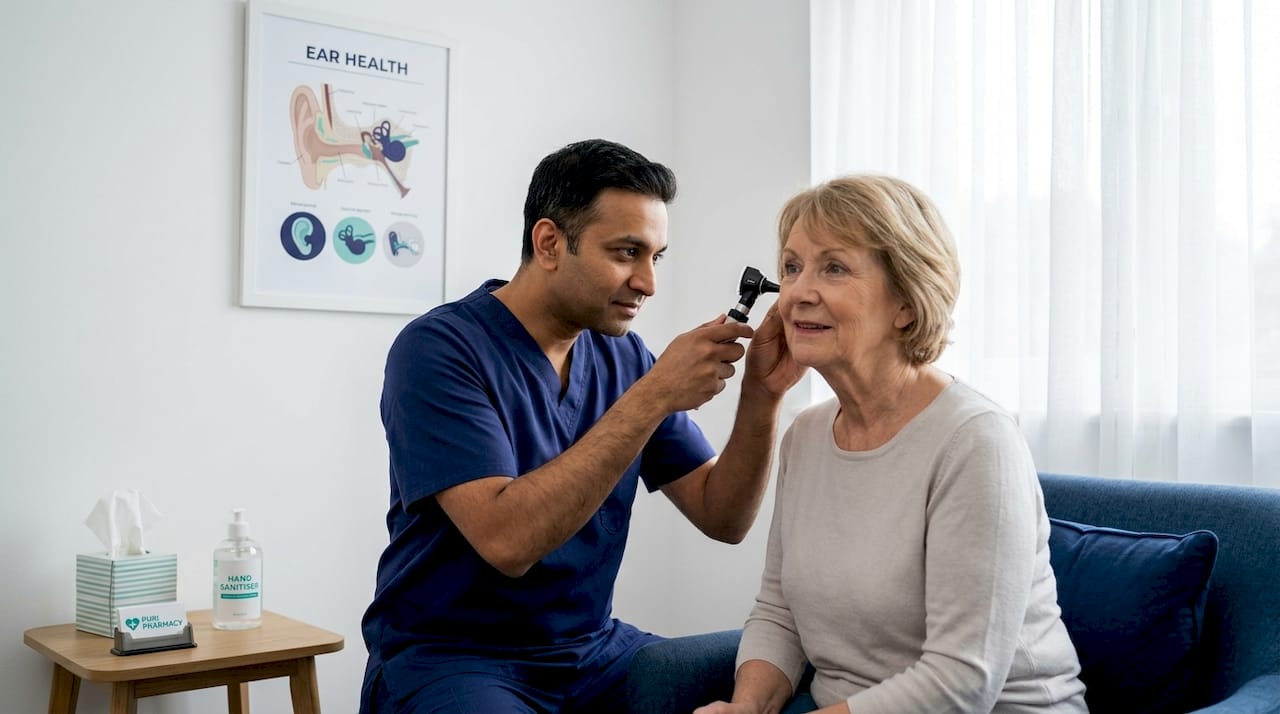
Professional removal is recommended for stubborn or painful earwax, particularly when softening drops alone haven’t worked. Pharmacies offer clinical-grade techniques such as microsuction and irrigation, both of which are far safer than anything you can do at home.
Here’s what to know about ear care at your pharmacy:
- Avoid cotton buds entirely. They push wax deeper into the ear canal, compact it further, and can damage the delicate skin lining. This is one of the most common causes of worsening blockage.
- Softening drops are a good first step. Olive oil or sodium bicarbonate drops used for 3 to 5 days before a professional appointment make removal easier and more comfortable.
- Seek pharmacy help if you’re flying soon. Blocked ears and pressure changes during flights do not mix well. Getting ears cleared before travel prevents significant discomfort.
- Don’t ignore persistent symptoms. Tinnitus, hearing loss, or pain that doesn’t resolve after softening drops warrants a professional assessment, not more self-treatment.
- Children and the elderly need extra care. Ear canals vary significantly by age. Professional assessment is always safer than home removal for vulnerable groups.
Pro Tip: If you wear hearing aids, regular earwax maintenance isn’t optional. Wax buildup is the leading cause of hearing aid malfunction and feedback. Book a check every 6 to 12 months.
A fresh pharmacy perspective: rethinking everyday health conversations
Here’s something worth saying plainly: most people dramatically underuse their pharmacy. They collect prescriptions, perhaps ask about cold and flu remedies, and leave. The richer conversations, the ones about sustainable weight loss, travel safety, ear health, and aesthetic risks, simply don’t happen as often as they should.
There’s a reason for this. People don’t always realise what’s available. They assume they need a GP referral, or that a pharmacist won’t have time, or that they’ll feel judged asking about a cosmetic treatment. None of that is accurate. A good pharmacist wants those conversations because early discussion prevents bigger problems later.
From our experience working with patients across West London, the individuals who get the best health outcomes are not necessarily the ones with the best diets or the most willpower. They’re the ones who ask questions early and often. They come in before a trip rather than after a scare. They ask about a medicine before they start it, not when they’ve been on it for six weeks and something feels off.
The uncomfortable truth is that reactive healthcare costs more, in time, money, and health outcomes, than preventive conversations. A 15-minute appointment about earwax prevents a week of miserable hearing loss. A travel health consultation prevents a serious illness abroad. A proper weight management plan prevents years of yo-yo dieting.
We believe your pharmacy should be a place you visit when you’re well, not only when you’re unwell. The full pharmacy services we offer are built around exactly that model: accessible, expert, ongoing support for real West London lives.
Expect more from your pharmacist. Ask detailed questions. Push for explanations you actually understand. That’s not demanding behaviour, it’s good patient engagement.
Get expert pharmacy support for all your health needs
If this article has prompted you to think differently about what your local pharmacy can offer, the next step is simple. At Puri Pharmacy in West London, we provide everything discussed here under one roof, with qualified, approachable professionals who have time for you.
Whether you’re booking earwax removal services, exploring NHS digital weight management programmes, or looking into our weight loss service for prescription-based support, we make it straightforward to get the right advice quickly. No long waits. No judgement. Just practical, evidence-based support from professionals who know West London’s community. Get in touch today or visit us in person to start the conversation.
Frequently asked questions
How early should I plan travel vaccinations with my pharmacy?
It’s best to arrange your travel vaccinations at least 6 to 8 weeks before you leave, as some vaccines need multiple doses to be fully effective.
Can pharmacies support safe, sustainable weight loss?
Yes, pharmacies can assess your suitability for medicines and help you follow a structured plan. Structured assessment and support alongside diet and activity is the recommended approach for safe, lasting results.
What should I check before an aesthetic procedure at a pharmacy?
Always confirm your practitioner’s qualifications, registration, and insurance, and insist on a proper consultation before committing. Checking training, skills, and aftercare arrangements is the minimum you should expect.
When should I seek professional earwax removal?
See a pharmacist if softening drops haven’t resolved symptoms, or if you have persistent or painful earwax buildup. Professional removal is always safer than attempting to clear ears at home.