Pharmacy visit preparation tips that actually work

TL;DR:
- Proper pharmacy visit preparation involves bringing a comprehensive medication list, including prescriptions, supplements, and herbal remedies, with detailed information.
- Patients should write down questions in advance, verify prescription details before leaving, and pack medications carefully for travel to ensure safety and accuracy.
Most people walk into a pharmacy expecting a quick in-and-out experience, then realise halfway through that they have forgotten a medication name, cannot remember a dosage, or have no idea what question to ask. These small oversights have real consequences. Good pharmacy visit preparation tips do not just save time. They improve medication safety, reduce dispensing errors, and help you get far more from the expertise sitting right behind that counter.
Table of Contents
- Key takeaways
- 1. Gather and organise all your medications before you go
- 2. Write down your questions before the visit
- 3. Verify your prescription details at the counter
- 4. Check your travel plans and pharmacy needs together
- 5. Prepare for remote or video pharmacy consultations
- 6. Bring a helper when you need one
- 7. Use a checklist so nothing is left to memory
- My honest take on pharmacy visits
- How Puripharmacy can support your next visit
- FAQ
Key takeaways
| Point | Details |
|---|---|
| Bring a full medication list | Include every prescription, supplement, and herbal remedy with doses, frequency, and the prescriber’s name. |
| Prepare questions in advance | Written questions prevent you forgetting what matters most once you are at the counter. |
| Verify before you leave | Check drug name, strength, dose, and quantity against your prescription before walking out. |
| Plan ahead for travel | Order refills one to two weeks early and pack medications in hand luggage with prescription copies. |
| Use the pharmacist properly | Treat the visit as a consultation, not just a collection. Pharmacists can prevent errors and explain complex regimens. |
1. Gather and organise all your medications before you go
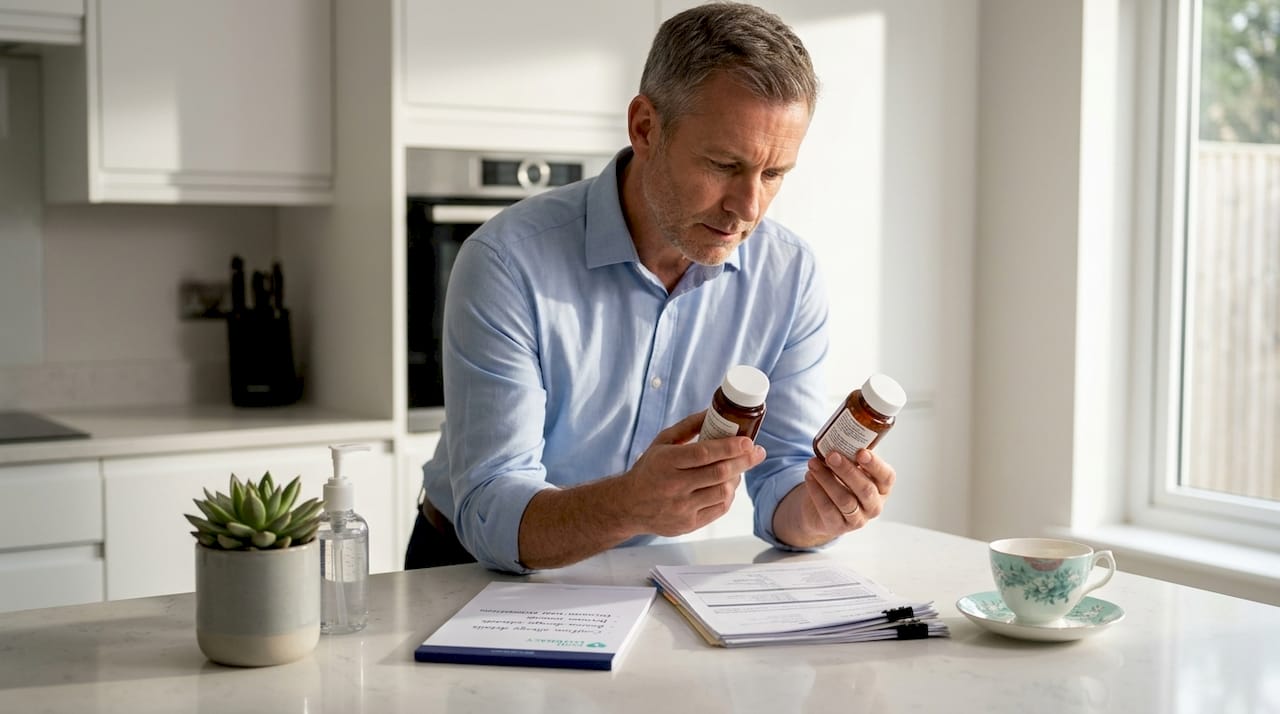
This is the single most impactful pharmacy visit preparation tip, and most people skip it entirely. Before you leave the house, collect every medication you take. That means prescription medicines, over-the-counter tablets, vitamins, supplements, and herbal remedies. All of it.
For each item, write down or photograph:
- The full medicine name (brand and generic if you know both)
- The dose (for example, 10 mg or 500 mg)
- How often you take it and at what time of day
- Why you take it
- Who prescribed it
- Any side effects you have noticed
Medication lists should cover all of this detail to be genuinely useful at a review or consultation. A partial list creates as many problems as no list at all.
Bring the actual bottles or boxes wherever possible. Labels contain batch numbers, expiry dates, and exact formulations that even a well-written note can miss. If carrying the originals is not practical, photographs of the labels work well. Keep your medication list open on your phone during the visit so you can answer pharmacist follow-up questions quickly rather than guessing.
Pro Tip: If you manage medications for an elderly relative or someone with memory difficulties, involve them in building the list at home. A carer or family member attending the visit with you can fill in gaps and ask questions you might not think of on the spot.
For those on complex regimens, a monitored dosage system can simplify daily management considerably, particularly when multiple medicines need to be taken at different times.
2. Write down your questions before the visit
A pharmacist appointment is not the place to improvise. The moment you are at the counter, with someone waiting behind you, you will forget at least half of what you planned to ask. Write your questions down beforehand.
Pharmacist counselling before the first dose of a new medicine is one of the most effective ways to prevent confusion and errors. The key questions worth preparing include:
- What is this medication for and how does it work?
- How exactly should I take it: with food, without food, at a specific time of day?
- What side effects should I expect, and which ones mean I should stop taking it?
- How long before I notice any effect?
- Does it interact with anything I already take, including alcohol, caffeine, or specific foods?
- What should I do if I miss a dose?
These are not overthinking. These are the questions that prevent misuse, missed doses, and avoidable interactions. If you have a new prescription, Puripharmacy’s new medicines service is specifically designed to help you understand exactly what you have been prescribed and how to use it safely.
Pro Tip: Rank your questions by priority before you go. If the pharmacist is busy, you will at least cover what matters most.
3. Verify your prescription details at the counter
Do not leave the pharmacy without checking what is in the bag. This is one of the most overlooked pharmacy visit tips, yet it directly prevents dispensing errors that happen more often than most patients realise.
Label mismatches account for a meaningful proportion of medication errors. Treating any discrepancy as a stop signal is not pedantic. It is safe practice.
Before you walk out, check the following:
- The medicine name on the label matches what was prescribed
- The strength matches (for example, 5 mg not 50 mg)
- The dosing instructions match what your doctor told you
- The quantity in the packet is correct
- The expiry date is acceptable for your course length
Do not rely on what the tablets look like. Ask your pharmacist to confirm product identifiers before you take a new medication for the first time. Colours and shapes change between manufacturers, and appearance alone is not a reliable check.
Ask about refill timing before you leave too. Knowing when to reorder, and how to dispose of expired or unused medicines safely, prevents both supply gaps and household safety risks.
Quick verification checklist at the counter
| What to check | Why it matters |
|---|---|
| Drug name and strength | Confirms the right medicine at the right dose |
| Dosing instructions | Prevents incorrect timing or frequency |
| Quantity dispensed | Catches short supplies before you get home |
| Expiry date | Avoids ineffective or degraded medication |
| Refill date | Prevents supply gaps between prescriptions |
4. Check your travel plans and pharmacy needs together
If you are travelling, pharmacy preparation needs to start earlier than usual. These pharmacy travel preparation tips apply whether you are heading abroad for two weeks or driving across the country for a long weekend.
Order prescription refills one to two weeks before you travel. This gives you time to collect the prescription, ask any questions, and sort out any supply issues without the pressure of a departure date looming. The same source recommends carrying three to seven days of extra supply in case of delays, loss, or unexpected itinerary changes.
Some practical steps for pharmacy travel safety:
- Pack all medications in your hand luggage, never checked bags
- Keep medications in their original labelled containers
- Carry printed copies of all prescriptions, particularly for controlled medications when crossing borders
- Store temperature-sensitive medicines properly: some insulins and biologics need cool storage during transit
You can order a prescription online at Puripharmacy to get ahead of travel timelines without needing to visit in person first. For those with repeat prescriptions, setting up a regular schedule means you are rarely caught short, whether at home or away.
5. Prepare for remote or video pharmacy consultations
More people are now using video or remote consultations with pharmacists, particularly for medication reviews. The preparation is slightly different, but just as important.
For video consultations, position your medicine containers in good lighting where the camera can clearly read the labels. Your pharmacist needs to see the same information they would see in person. A blurry photo held at arm’s length does not help anyone.
Have your written questions ready on paper or on a second screen so you are not fumbling during the call. Make sure your phone or device is charged, your connection is stable, and you are somewhere quiet enough to hear clearly. Remote consultations are just as clinical as in-person visits. Treat them the same way.
Pro Tip: Screenshot your medication list and pin it to the top of your phone’s home screen the day before any remote consultation. You will not have to search for it mid-call.
6. Bring a helper when you need one
This is advice that rarely appears in checklist-style guides, but it matters. If you have a memory condition, mobility issues, or you simply take a large number of medications and find the information overwhelming, bring someone with you.
A carer, spouse, or trusted friend serves multiple functions. They can take notes while you speak with the pharmacist. They can ask follow-up questions you might not think of. They can confirm that instructions have been understood correctly. The pharmacist will often speak more freely and thoroughly when they can see that the information will be retained and acted on.
Medication management works best as a collaborative process. That collaboration does not have to stop at the pharmacist. It can extend to the people around you. If a helper cannot attend in person, a phone call on speaker during the visit is a reasonable alternative.
7. Use a checklist so nothing is left to memory
Checklists exist for a reason. Pilots use them. Surgeons use them. There is no reason a pharmacy visit should rely on memory alone. A simple checklist prepared the night before ensures you arrive with everything you need.
Use this as a starting framework:
Before the visit:
- Full medication list prepared (with doses, frequency, reasons, prescribers)
- Questions written down and ranked
- Prescription or repeat prescription request ready
- Relevant documents: NHS number, appointment letters, GP referral if applicable
- Actual medicine bottles or label photographs
During the visit:
- Medication list open and accessible
- Questions asked in order of priority
- Label verified against prescription before leaving
After the visit:
- Instructions confirmed and understood
- Refill date noted
- Follow-up actions written down
- Medication list updated with any changes
The structured documentation that comes from a thorough medication review, such as a personal medication list and action plan, is only useful if you have already done the groundwork. The checklist is that groundwork.
My honest take on pharmacy visits
I have watched people treat pharmacy visits as errands for years. Pick up the bag, sign the form, leave. And I understand it. Life is busy, pharmacies are often crowded, and it does not feel like the moment for a conversation.
But in my experience, the patients who get the most from their pharmacy visits are the ones who treat them as short consultations. They walk in with a list, they ask questions, and they do not leave until they understand what they are taking. These are not hypochondriacs. They are people who have learned that pharmacists are genuinely underused as a resource.
The most common mistake I have seen is bringing incomplete information and assuming the pharmacist can fill the gaps. They often cannot. If you do not know the dose of a supplement you started six months ago, and you have not brought the bottle, that is a gap. And gaps matter when interactions are being assessed.
The second mistake is forgetting to ask about timing. Not just “take twice daily” but whether morning or evening matters, whether food changes absorption, whether there are specific hours to avoid. These details affect how well a medication works.
My advice is to make preparation a habit rather than an event. Keep a running medication list on your phone, updated whenever anything changes. Review it before every visit. That five-minute habit prevents the kind of errors that end with urgent GP calls.
— R
How Puripharmacy can support your next visit

Puripharmacy offers more than just prescription dispensing. Whether you need help understanding a new medication, managing a complex repeat prescription, or accessing specialist health services, the team at Puripharmacy is available to help. The new medicines service is ideal for anyone starting a new prescription and wanting proper guidance from the outset.
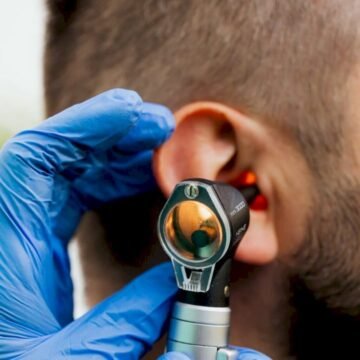
If you are looking for additional health support beyond medications, Puripharmacy also provides services including earwax removal in Heathrow, private prescribing, weight management, and travel vaccinations. Visit your nearest Puripharmacy location in west London to speak with the team directly and make the most of your next appointment.
FAQ
What should I bring to a pharmacy visit?
Bring a full medication list covering all prescriptions, supplements, and over-the-counter medicines with doses and frequencies. Include the original bottles or photographs of labels where possible.
What questions should I ask my pharmacist?
Ask about the purpose of the medication, how to take it correctly including food interactions, what side effects to expect, how long before it takes effect, and what to do if you miss a dose.
How do I verify my prescription before leaving the pharmacy?
Check that the medicine name, strength, dosing instructions, and quantity on the label match your prescription exactly. Ask the pharmacist to confirm product identifiers if anything looks different from what you expected.
How early should I order a prescription before travelling?
Order refills one to two weeks before your travel date and carry an extra three to seven days’ supply in your hand luggage alongside printed copies of your prescriptions.
How can I prepare for a remote pharmacy consultation?
Position your medicine containers in clear lighting so the camera can read the labels. Have your medication list and questions ready in advance, and treat the call with the same preparation you would give an in-person visit.